Nokia Patent Dispute: Acer and Asus Face Laptop Sales Ban in Germany
Nokia Patent Dispute: Impact on Acer and Asus Laptop Sales in Germany
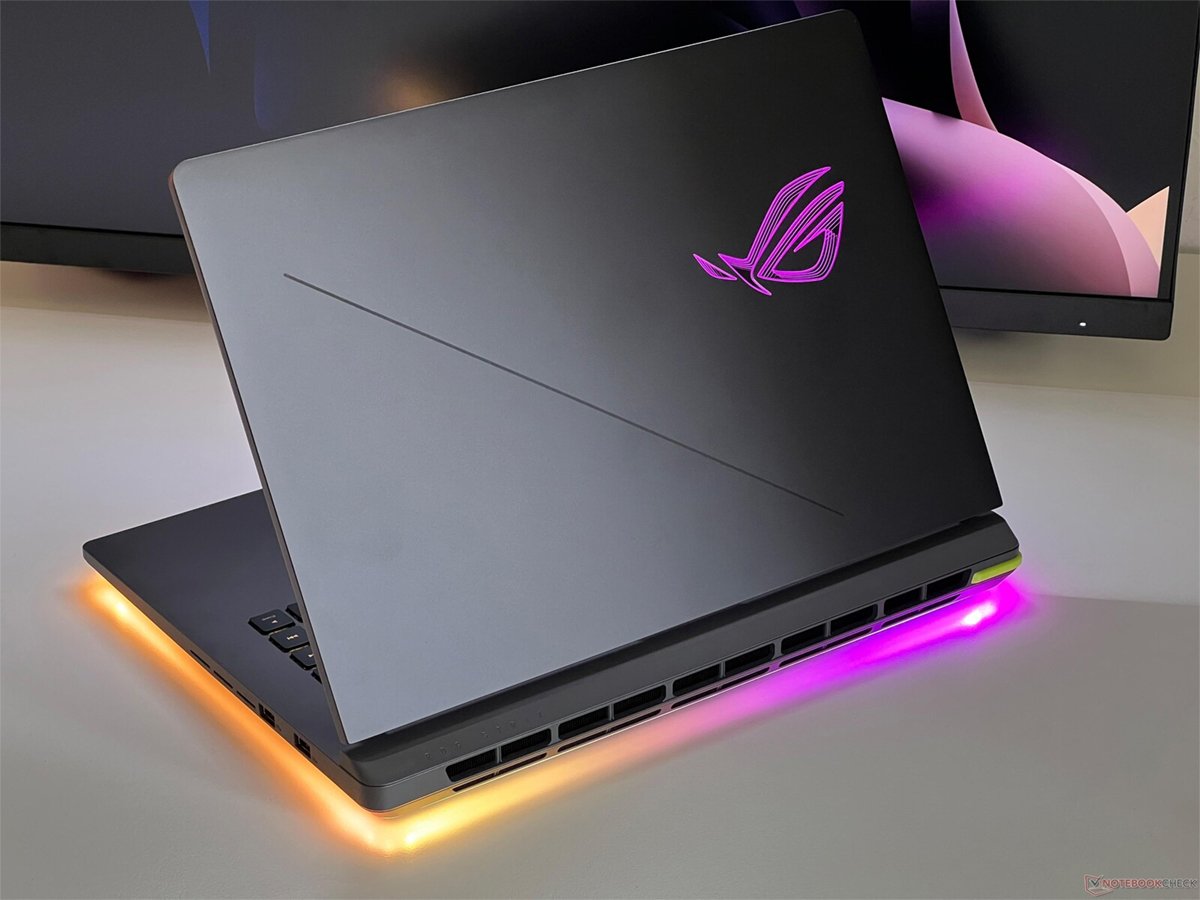
A recent court ruling in Munich has resulted in Acer and Asus being forced to suspend direct sales of laptops and PCs in Germany. This decision stems from a patent dispute with Nokia over the HEVC codec. Despite the ban, retailers are still permitted to sell existing inventory as appeals and licensing negotiations continue.
The HEVC codec, also known as H.265, is a high-efficiency video codec used for video compression. Nokia claims that Acer and Asus have infringed upon their patent rights by utilising this codec in their products without obtaining the necessary licenses.
The ban on direct sales will likely have a significant impact on Acer and Asus, as Germany is a substantial market for laptop and PC sales. However, the companies can still supply their products to retailers, who can then sell them to consumers. This means that customers will not be completely unable to purchase Acer and Asus products in Germany.
Both Acer and Asus have stated that they will appeal the court’s decision and engage in licensing negotiations with Nokia. The outcome of these negotiations will determine the future of laptop and PC sales for these companies in Germany. In the meantime, consumers can still purchase existing inventory from retailers, although the availability of new products may be limited.
The patent dispute between Nokia and Acer and Asus highlights the complexities of intellectual property rights in the technology industry. Companies must carefully analyse their use of patented technologies to avoid infringement and ensure they have the necessary licenses in place.
In addition to the patent dispute, the ban on direct sales may also affect the behaviour of consumers in Germany. Some customers may choose to purchase laptops and PCs from other manufacturers, while others may wait for the dispute to be resolved before making a purchase.
The colour of the laptop and PC market in Germany has changed significantly due to this dispute. The sales ban has created uncertainty among consumers, and it remains to be seen how Acer and Asus will respond to this challenge. As the situation continues to unfold, one thing is certain – the laptop and PC market in Germany will be closely watching the outcome of this patent dispute.
As the appeal and licensing negotiations move forward, Acer and Asus will be looking to resolve the dispute and resume direct sales in Germany. The companies will need to navigate the complex landscape of intellectual property rights and licensing agreements to find a solution that works for all parties involved.
In conclusion, the patent dispute between Nokia and Acer and Asus has resulted in a significant ban on direct sales in Germany. While retailers can still sell existing inventory, the ban will likely have a substantial impact on the companies’ sales and revenue. As the situation continues to evolve, it will be interesting to see how Acer and Asus respond to this challenge and work to resolve the dispute.