MIT Engineers Revolutionise Computing with Waste Heat Innovation
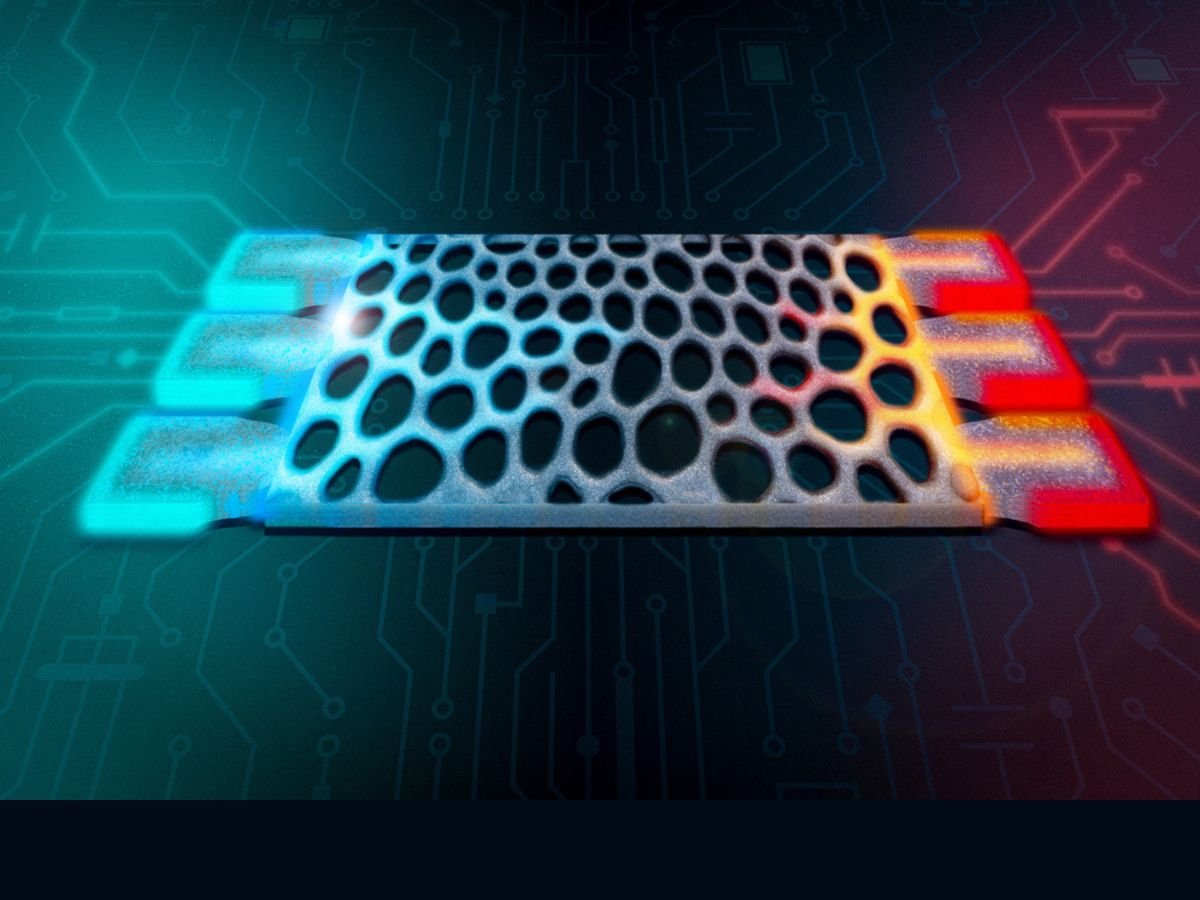
Transforming Waste Heat into Computing Power
A team of innovative engineers at MIT has successfully developed microscopic devices that harness waste heat to perform complex machine-learning calculations, achieving an impressive accuracy of over 99%.
This groundbreaking technology has the potential to significantly reduce energy consumption and increase efficiency in electronic devices, paving the way for a more sustainable future.
The researchers’ novel approach involves creating specialised silicon structures that can tap into the existing heat present in electronics, eliminating the need for external power sources.
By leveraging this innovative technique, the team has demonstrated the possibility of performing intricate mathematical operations using minimal energy, thereby minimising waste and reducing the environmental impact of computing.
The implications of this discovery are far-reaching, with potential applications in a wide range of fields, from artificial intelligence and data analytics to the Internet of Things and beyond.
As the world continues to grapple with the challenges of energy consumption and e-waste, this pioneering work offers a promising solution, one that could help mitigate the environmental effects of our increasingly digital lives.
With its potential to transform the way we approach computing, this innovative technology is set to make a lasting impact on the tech industry and beyond.
The MIT engineers’ achievement serves as a testament to human ingenuity and the boundless potential of scientific inquiry, inspiring future generations of researchers and innovators to push the boundaries of what is possible.
As we look to the future, it is clear that this groundbreaking research will play a vital role in shaping the direction of the tech industry, enabling the development of more efficient, sustainable, and environmentally friendly technologies.
The researchers’ dedication to advancing our understanding of the complex relationships between energy, computing, and the environment is a powerful reminder of the importance of interdisciplinary collaboration and the pursuit of knowledge.
By harnessing the power of waste heat, the team has opened up new avenues for exploration, inviting us to reimagine the possibilities of computing and its role in shaping a more sustainable future.
The innovative use of silicon structures to tap into waste heat has far-reaching implications, from reducing energy consumption to enabling the development of more efficient electronic devices.
As the tech industry continues to evolve, it is likely that this pioneering work will have a lasting impact, inspiring new breakthroughs and innovations that will help shape the future of computing.