Apple iPhone Chips Unlikely to Use Intel’s Advanced Nodes

Apple iPhone Chips and Intel’s Advanced Nodes: What You Need to Know
Recent reports have sparked intense speculation about Apple potentially returning to Intel for some of its M-series processors and non-Pro iPhone chips. However, industry insiders have now weighed in, suggesting that the likelihood of Apple iPhone chips leveraging Intel’s advanced nodes is extremely low. This news has significant implications for the tech industry, particularly in relation to chip manufacturing and performance. The potential partnership had garnered considerable attention, with many analysts eager to see how it would unfold.
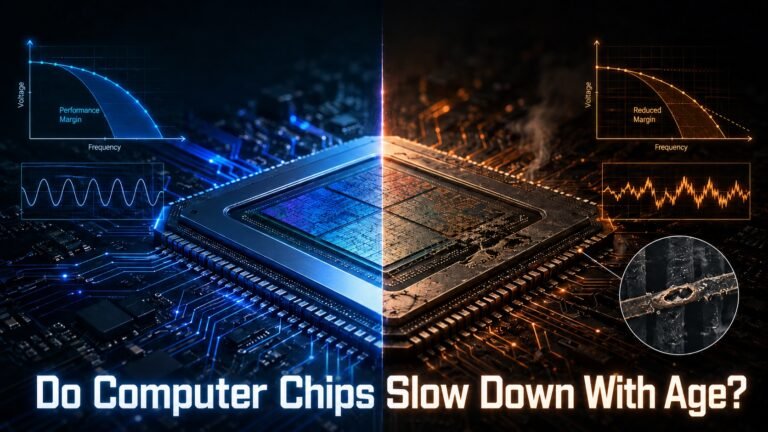
According to insiders, one of the primary reasons Apple is unlikely to use Intel’s advanced nodes is due to the heat dissipation issues associated with these chips. The degraded heat dissipation ability of Intel’s advanced nodes makes them less suitable for Apple’s iPhone chips, which require optimal performance and efficiency. This limitation is a significant concern for Apple, as it could impact the overall user experience and device performance. As a result, it seems that Apple will have to explore alternative options for its chip manufacturing needs.
Despite the setback, Intel remains a major player in the chip manufacturing industry, with its 18A-P process being a notable example of its technological advancements. The 18A-P process has been touted as a significant improvement over previous nodes, offering enhanced performance and power efficiency. However, it appears that Apple will not be taking advantage of this technology for its iPhone chips, at least not in the near future. This decision may have far-reaching consequences for both companies, as they navigate the complex and competitive world of chip manufacturing.
The news has also sparked debate about the future of chip manufacturing and the role of major players like Intel and Apple. As the demand for more powerful and efficient chips continues to grow, companies are under increasing pressure to innovate and stay ahead of the curve. The inability of Apple to leverage Intel’s advanced nodes highlights the challenges faced by these companies in achieving their goals. Furthermore, it underscores the importance of collaboration and innovation in driving progress in the tech industry.
In conclusion, the likelihood of Apple iPhone chips leveraging Intel’s advanced nodes appears to be extremely low, due to concerns over heat dissipation and performance. As the tech industry continues to evolve, it will be interesting to see how Apple and Intel adapt to these changes and navigate the complexities of chip manufacturing. The future of chip technology is uncertain, but one thing is clear: the competition and innovation in this space will only continue to intensify. With major players like Apple and Intel at the forefront, we can expect significant advancements in the years to come.
GF Securities and DigiTimes have also weighed in on the matter, providing valuable insights into the potential implications of this decision. Their analysis suggests that Apple’s decision may have significant repercussions for the entire tech industry, particularly in relation to chip manufacturing and performance. As the situation continues to unfold, it will be essential to monitor the developments and adjust our expectations accordingly. The world of chip manufacturing is complex and ever-changing, and only time will tell how this saga will play out.
Ultimately, the decision by Apple to not use Intel’s advanced nodes for its iPhone chips is a significant development in the tech industry. It highlights the challenges faced by companies in achieving their goals and the importance of innovation and collaboration in driving progress. As we move forward, it will be crucial to stay informed about the latest developments and advancements in chip manufacturing, as they have the potential to shape the future of the tech industry. By doing so, we can gain a deeper understanding of the complex dynamics at play and the potential implications for major players like Apple and Intel.