Qualcomm Rejects Apple’s Unified RAM Architecture for Snapdragon Chipsets
Why Qualcomm is Cautious About Adopting Unified RAM Architecture
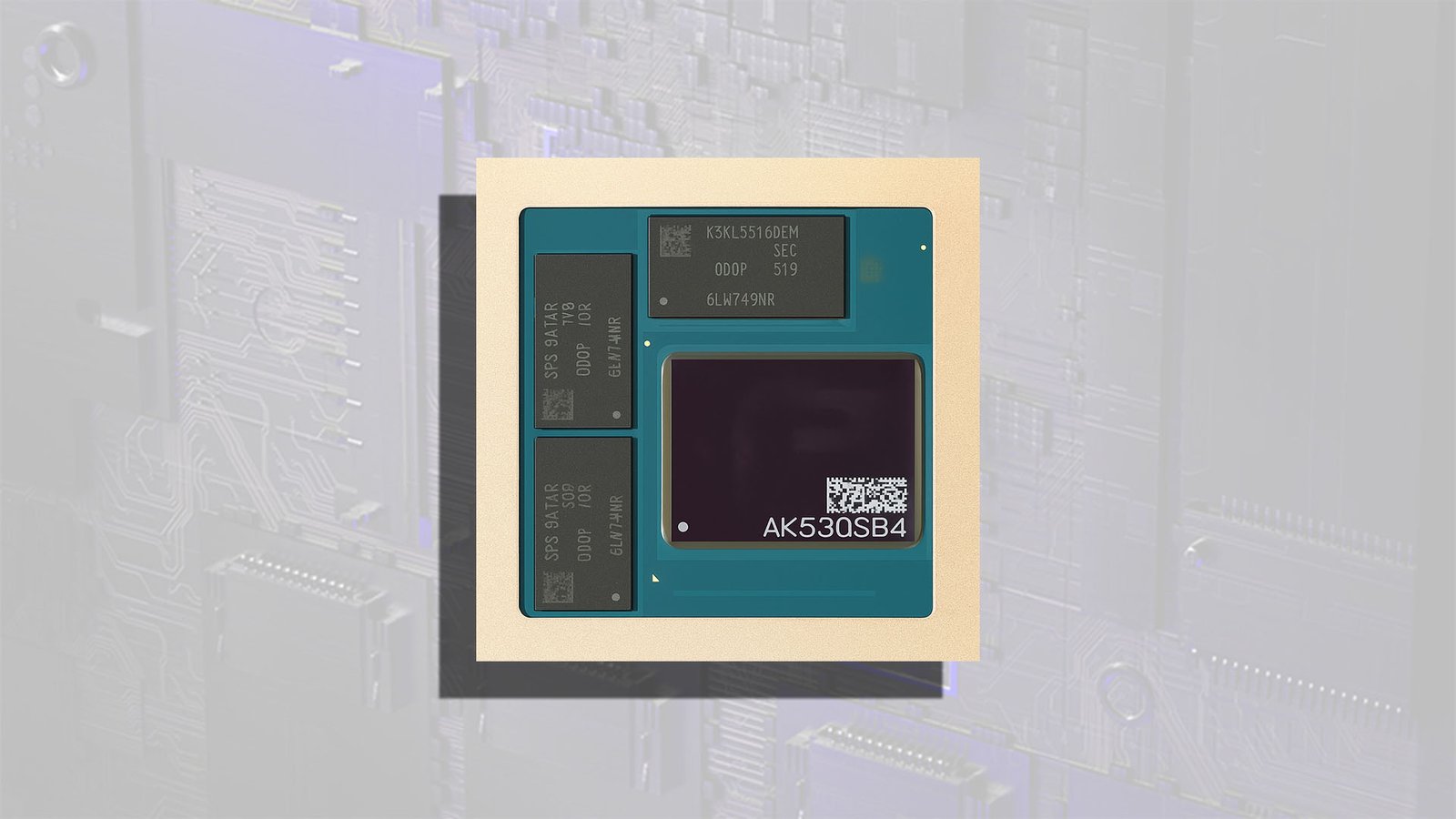
Qualcomm, the renowned chip manufacturer, has been observing Apple’s unified RAM architecture with great interest. This innovative design allows memory to operate at incredibly high speeds with near-zero latency, making it a game-changer for consumer electronics. However, despite its benefits, Qualcomm has only adopted this architecture for the Snapdragon X2 Elite Extreme.
The reason behind this selective adoption lies in Qualcomm’s position as a ‘middle man’ for laptop manufacturers. As a key component supplier, the company must make decisions that cater to the needs of its partners, ensuring the sustainability of its business. This delicate balance requires careful consideration of various factors, including cost, performance, and compatibility.
One major concern for Qualcomm is the potential disruption to its existing relationships with notebook partners. By adopting a unified RAM architecture across all its chipsets, the company risks alienating its partners who may not be ready to adapt to this new design. Furthermore, the added cost of implementing this architecture could be a significant burden for some manufacturers, potentially leading to a loss of business for Qualcomm.
In addition to these concerns, Qualcomm must also consider the technical implications of adopting a unified RAM architecture. The company’s chipsets are designed to work with a wide range of devices, from budget-friendly laptops to high-end smartphones. Implementing a unified RAM architecture would require significant changes to its design and manufacturing processes, which could be a complex and time-consuming task.
Despite these challenges, Qualcomm is likely to continue exploring the potential of unified RAM architecture in its future chipsets. The benefits of this design, including improved performance and reduced latency, make it an attractive option for many device manufacturers. As the company navigates the complexities of its ‘middle man’ position, it will be interesting to see how Qualcomm balances its desire to innovate with the need to maintain its relationships with notebook partners.
The implications of Qualcomm’s decision to adopt unified RAM architecture selectively are far-reaching. For consumers, this means that they may not see the full benefits of this innovative design in all devices. However, for Qualcomm, this cautious approach allows the company to test the waters and refine its strategy before making a more widespread adoption. As the technology landscape continues to evolve, it will be fascinating to see how Qualcomm’s approach to unified RAM architecture changes and adapts to the needs of its partners and the market.
In conclusion, Qualcomm’s decision to adopt unified RAM architecture for only the Snapdragon X2 Elite Extreme is a strategic move that reflects the company’s position as a ‘middle man’ for laptop manufacturers. While this approach may limit the widespread adoption of this innovative design, it allows Qualcomm to balance its desire to innovate with the need to maintain its relationships with partners. As the company continues to navigate this complex landscape, it will be interesting to see how its approach to unified RAM architecture evolves and impacts the consumer electronics market.