Samsung Slashes Consumer Memory Margins: Wholesale DRAM and SSD Prices Soar Up to 80%
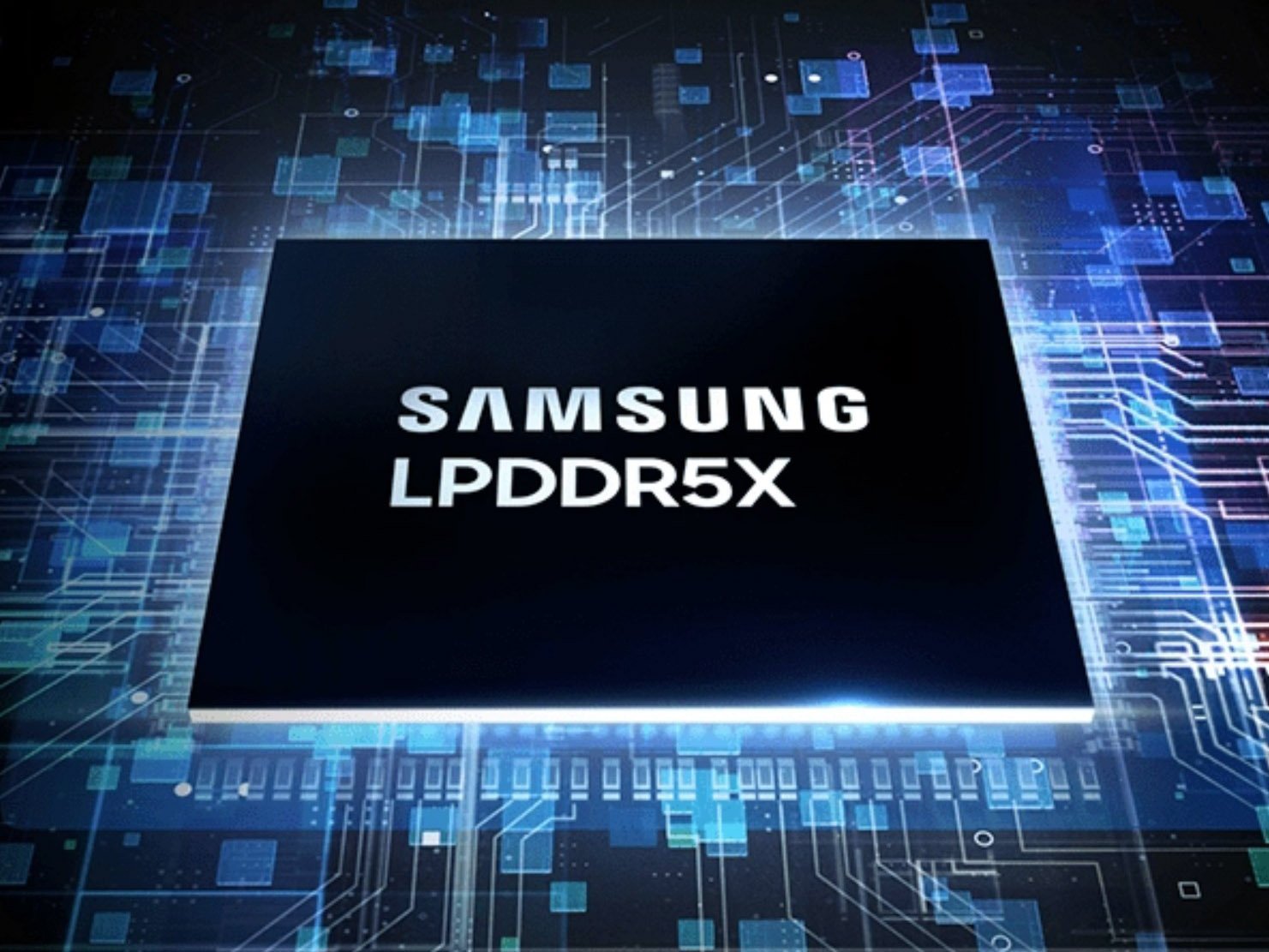
Samsung Raises Wholesale DRAM and SSD Memory Prices: A New Era for Consumer and Enterprise Products
Samsung has announced a significant increase in wholesale prices for its DRAM and SSD memory products, with some prices rising by as much as 80%. This move is largely driven by the company’s growing focus on enterprise memory solutions and a shortage of components throughout the supply chain.
The price hike is expected to have a major impact on consumer memory product distributors, who will need to absorb the increased costs or pass them on to their customers. This could lead to a widening of the gap between consumer and enterprise products, making it even more challenging for consumers to access affordable memory solutions.
The shortage of components is a major contributor to the price increase, as Samsung struggles to meet the demand for its memory products. The company’s decision to prioritise enterprise memory solutions has also led to a shift in its production capacity, further exacerbating the shortage.
As the demand for memory products continues to grow, Samsung’s decision to raise its wholesale prices is likely to have far-reaching consequences for the industry. Consumers can expect to see higher prices for memory products, while enterprise customers will continue to benefit from Samsung’s focus on high-performance memory solutions.
The price increase is a clear indication of the growing divide between consumer and enterprise products. As Samsung continues to prioritise its enterprise offerings, consumers will need to be prepared to pay a premium for high-quality memory solutions.
Samsung’s decision to raise its wholesale prices is a strategic move to consolidate its position in the enterprise memory market. While this may lead to short-term challenges for consumer memory product distributors, it is likely to pay off in the long run as the company cements its reputation as a leading provider of high-performance memory solutions.
The impact of the price increase will be felt across the industry, with consumers and distributors alike feeling the effects of the shortage and the shift in Samsung’s production capacity. As the market continues to evolve, it will be interesting to see how Samsung’s competitors respond to the price hike and the growing demand for memory products.
In conclusion, Samsung’s decision to raise its wholesale prices for DRAM and SSD memory products is a significant development in the industry. With prices rising by as much as 80%, consumers and distributors will need to adapt to the new reality of higher prices and reduced availability.
As the industry continues to analyse the implications of the price hike, one thing is clear: Samsung’s focus on enterprise memory solutions is here to stay. The company’s commitment to delivering high-performance memory products will drive innovation and growth in the market, even if it means higher prices for consumers.
The future of the memory industry is likely to be shaped by Samsung’s decision to prioritise its enterprise offerings. As the company continues to invest in research and development, we can expect to see even more innovative memory solutions in the years to come.
For now, consumers will need to be prepared to pay a premium for high-quality memory products. However, with Samsung’s commitment to delivering exceptional performance and reliability, the extra cost may be worth it for those who require the best memory solutions available.