Graphics Card Price Increase Adds Pressure to UK PC Enthusiasts
Rising GPU Costs Challenge the UK Upgrade Market
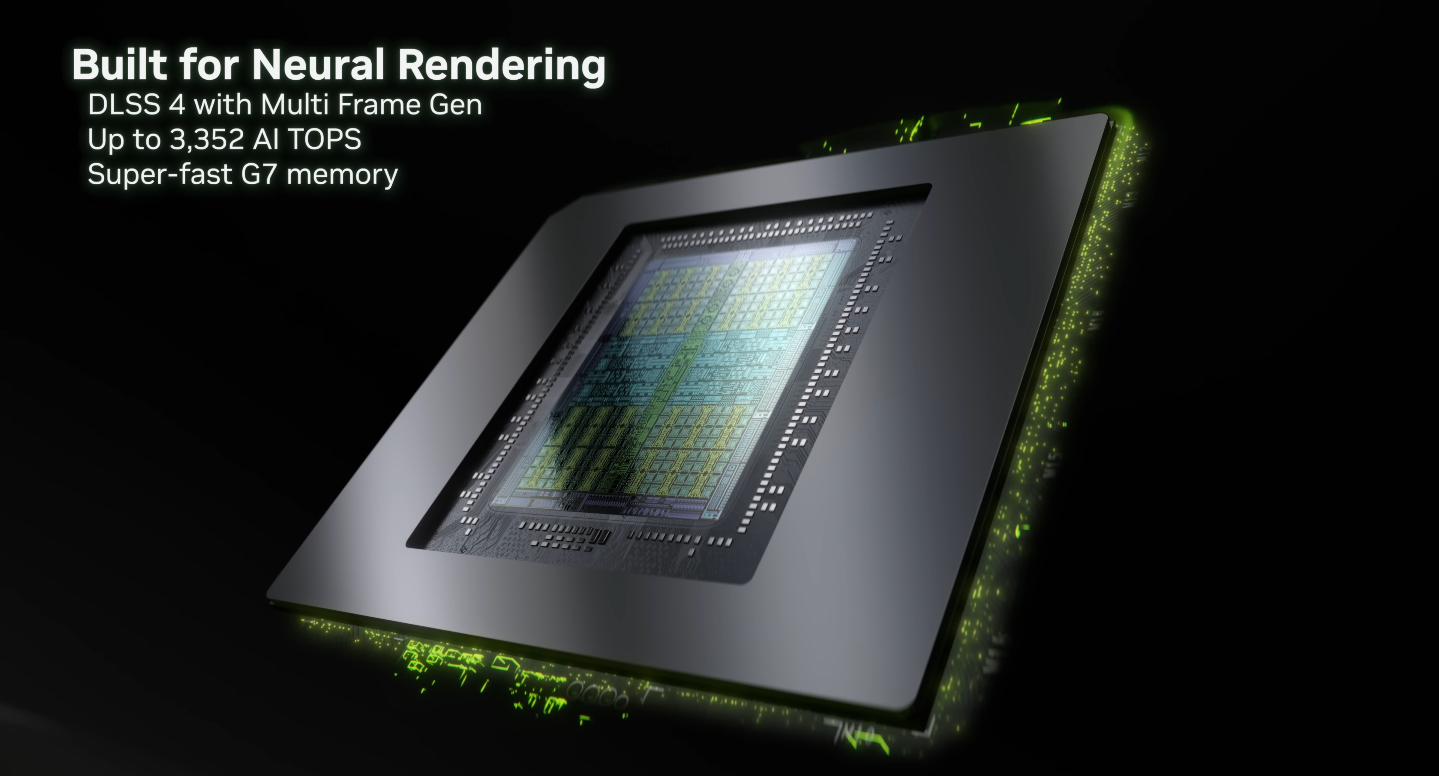
UK PC enthusiasts are facing renewed pressure as graphics card prices continue to rise across the market. What many hoped would be a period of stabilisation has instead turned into another phase of sustained cost increases. From casual gamers to professional creators, buyers are finding that upgrading a system now requires a significantly higher budget than in previous years.
The primary driver behind these increases remains global semiconductor supply constraints. Graphics cards rely on advanced manufacturing processes that are still operating at near full capacity worldwide. Despite slower growth in some consumer electronics segments, demand for high-performance chips continues to exceed available supply, limiting the number of GPUs reaching the UK retail market.
Another major factor is the growing competition for graphics processors from non-gaming sectors. Artificial intelligence, data processing, and cloud infrastructure projects consume large volumes of advanced chips. Manufacturers often prioritise these areas due to stronger margins and predictable demand, reducing the supply allocated to consumer-focused graphics cards.
UK retailers report that limited stock levels are allowing prices to remain elevated. Popular models frequently sell out shortly after restocking, particularly in the mid-range and high-performance categories. With demand still healthy among enthusiasts, retailers face little pressure to reduce prices, even during traditionally competitive sales periods.
Import-related costs also play a role in shaping UK GPU prices. Currency fluctuations, higher transport expenses, and increased energy costs all contribute to higher final retail pricing. These factors mean that UK consumers often see sharper price increases compared with some other regions, even when global pricing remains broadly similar.
PC enthusiasts are feeling the effects across the wider market. Custom PC builds have become more expensive, while pre-built systems are also rising in price due to higher component costs. This has led some buyers to delay upgrades, reuse older graphics cards, or consider second-hand options to manage budgets.
Manufacturers continue to invest in expanding production capacity, but progress is gradual. New fabrication plants and advanced manufacturing technologies take years to deliver meaningful output. In the meantime, demand from emerging technologies is expected to keep pressure on supply, limiting the likelihood of near-term price relief.
Changing consumer behaviour has not been enough to reverse the trend. While some users are extending upgrade cycles, enthusiasts often prioritise graphics performance above all else. This sustained interest in capable GPUs ensures that demand remains resilient, even as overall PC sales growth shows signs of slowing.
For UK PC enthusiasts, the current environment requires patience and careful planning. Higher graphics card prices are increasingly seen as a long-term reality rather than a temporary disruption. Until global supply expands and competitive pressures ease, upgrading a GPU will remain one of the most expensive decisions in the PC building journey.