Google Pixel Camera 10.2 Update: Decoding the Confusion Across UK Devices
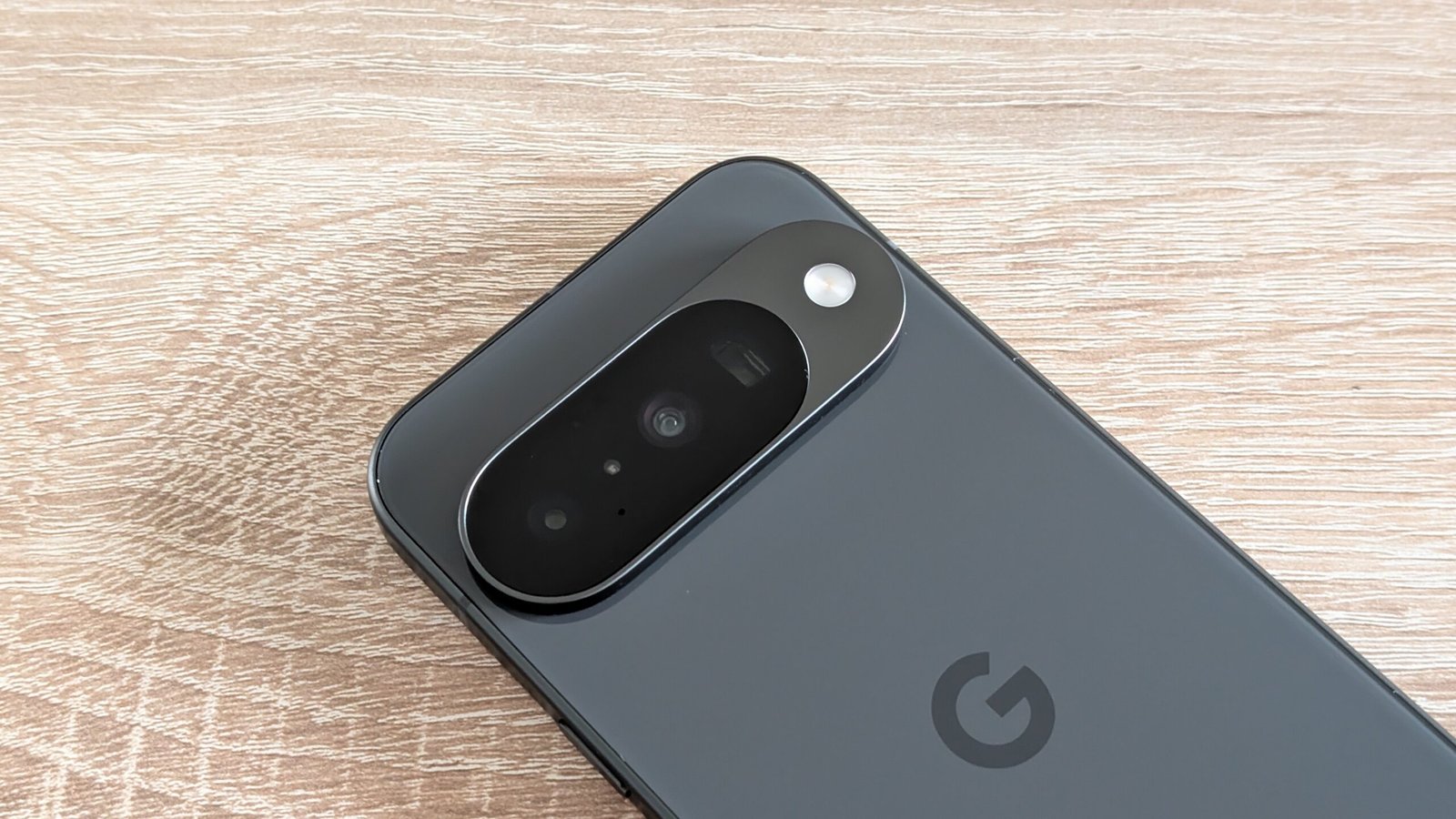
The Pixel Camera 10.2 Update: A Puzzling Rollout for UK Users
The latest Google Pixel Camera 10.2 update has begun its staggered rollout, intended to bring enhancements and refinements to the acclaimed smartphone photography experience. However, for many Pixel owners across the UK, this eagerly anticipated refresh seems to have primarily introduced a wave of confusion rather than immediate clarity, sparking widespread discussion within online communities.
A significant factor contributing to this bewilderment is the update’s highly adaptive nature, meaning the specific changes and features users encounter are intrinsically linked to their individual Pixel device model. What appears on a Pixel 8 Pro, for instance, could be markedly different from the experience on an older Pixel 6a or a Pixel 7. This tailored approach, while technically sound, often lacks a consistent, intuitive narrative for the average user.
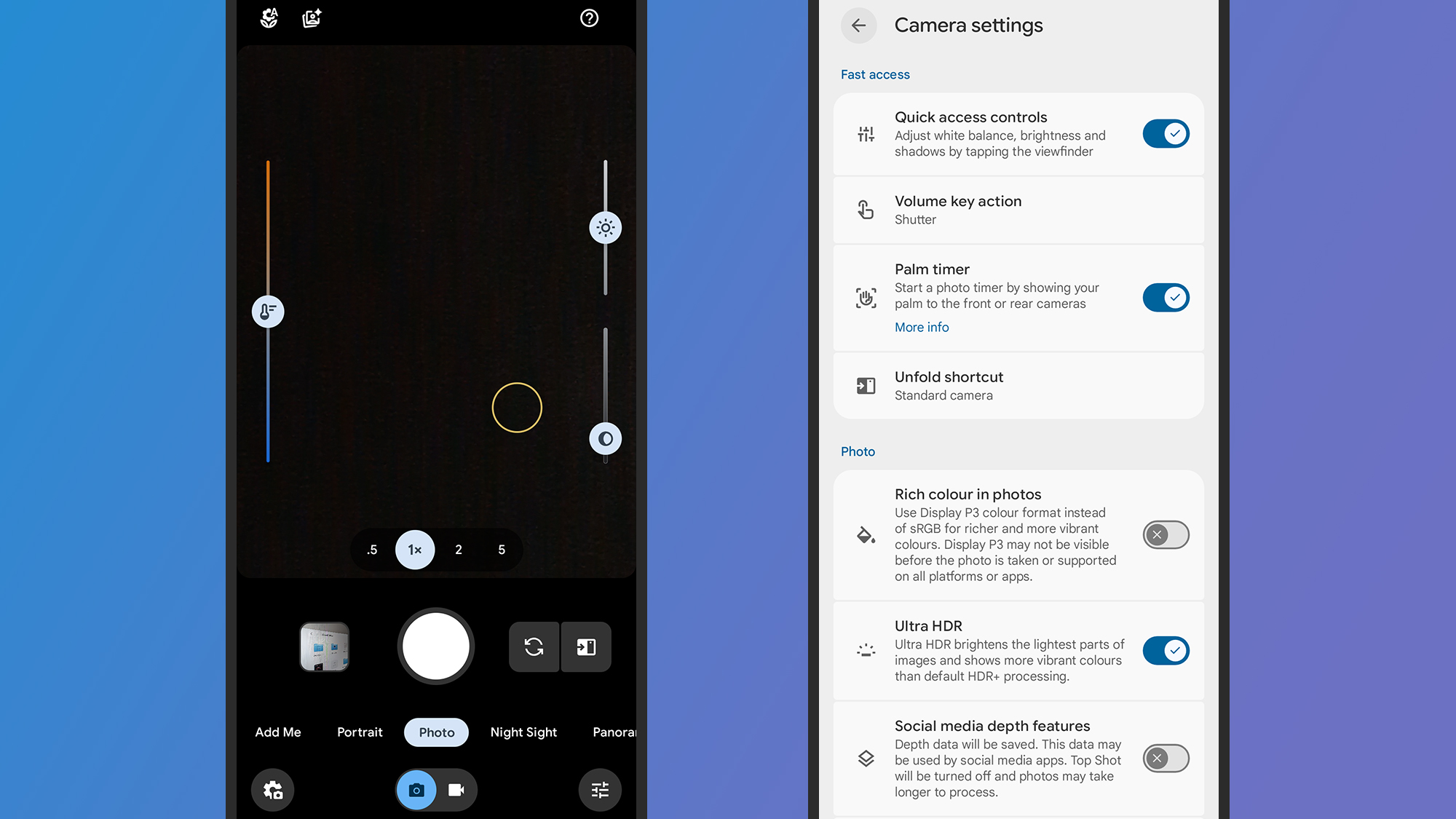
Many users are reporting a disorienting shift in the camera application’s user interface, with familiar modes and settings often rearranged or relocated. This necessitates a period of re-learning, as established muscle memory for navigating the camera app is suddenly rendered obsolete, leading to frustrating moments when trying to quickly capture a shot.
For those wielding the latest Pixel flagships, the 10.2 update might introduce advanced computational photography features or subtle enhancements to existing tools like Magic Eraser or Photo Unblur. These additions leverage the newest hardware, pushing the boundaries of what a smartphone camera can achieve, but their integration might require users to explore new menus.
Conversely, owners of older Pixel devices, such as the Pixel 6 or earlier models, are more likely to experience updates focused on performance optimisations, stability improvements, or minor UI tweaks. While beneficial for prolonging device longevity, these changes might not feel as impactful, yet can still contribute to the general feeling of disorganisation within the app.
The distinction in feature availability and interface design across the Pixel lineup creates a fragmented user experience, which is amplified by the often-gradual rollout schedule. Not all users receive the update simultaneously, leading to conflicting reports and further muddying the waters when troubleshooting or seeking advice from fellow Pixel enthusiasts.
Specific camera modes, such as the much-lauded Night Sight or Portrait Mode, might have seen their toggles or customisation options subtly moved within the updated interface. While the powerful functionality remains intact, discovering the new pathways to access and fine-tune these popular settings can become a minor treasure hunt for some users.
General camera settings, including options for aspect ratios, video resolutions, and the ever-useful grid lines, could also be part of this reorganisation. Users accustomed to a specific location for these controls might find themselves delving deeper into sub-menus, breaking their usual photographic workflow and adding extra steps to their process.
Google’s overarching vision with these updates is likely to streamline the user experience across its diverse hardware portfolio, potentially laying a unified foundation for future innovations. However, the immediate execution appears to have generated more questions than answers for a significant portion of its dedicated user base.
The adaptive design philosophy, where the camera interface and feature set are tailored to the device’s specific processing power and hardware capabilities, is a logical engineering choice. Yet, for the end-user, this bespoke approach often translates into an inconsistent interaction that demands a new learning curve with each iteration or device upgrade.
This situation underscores the critical need for clearer communication from Google when significant changes are implemented within core applications like the camera. Comprehensive release notes detailing model-specific alterations would undoubtedly help alleviate much of the current user frustration and provide a roadmap for navigating the new layout.
For photography enthusiasts who rely on their Pixel device for consistent, high-quality image capture, any disruption to their established workflow can be particularly jarring. The time spent deciphering new layouts is time diverted from the act of creative expression, which can be a genuine source of annoyance.
Beyond the interface, some users might also perceive subtle shifts in camera performance, such as minor changes in shutter response or image processing times, depending on their specific device and the update’s optimisations. These nuanced alterations, even if small, can influence the overall feel of the shooting experience.
In cases where users are finding themselves particularly disoriented by the 10.2 update, a practical first step involves methodically exploring every corner of the redesigned camera application. This includes checking both the quick-access controls and the deeper configuration menus to re-familiarise oneself with all available options and their new locations.
Engaging with online community forums and support channels can also provide valuable insights, as fellow Pixel owners often share their discoveries and workarounds. Collective knowledge can significantly reduce the learning curve and help demystify some of the more puzzling changes introduced by the update.
While a factory reset is an option for persistent issues, it should generally be considered a last resort. For most users, patience and a willingness to adapt to the new layout will eventually lead to renewed proficiency with their Pixel camera, despite the initial period of adjustment.
As Google continues to refine its software ecosystem, subsequent minor patches or incremental updates are highly likely to address some of the current user pain points and further clarify the camera experience. The evolution of complex software is rarely a perfectly smooth trajectory from one version to the next.
Ultimately, the Pixel Camera 10.2 update represents a complex, albeit intended, evolution for Google’s much-lauded smartphone photography system. While the long-term goal is undoubtedly enhancement and optimisation, the immediate effect for many UK users has been a perplexing re-evaluation of their trusted camera app, an experience heavily influenced by the specific Pixel model they happen to own.
Also Read: Spartacus: House of Ashur – The Brutal Rebirth of Justice in Episode 2