Microsoft’s Gaming Fixes for Windows 11: Too Little, Too Late Against SteamOS?
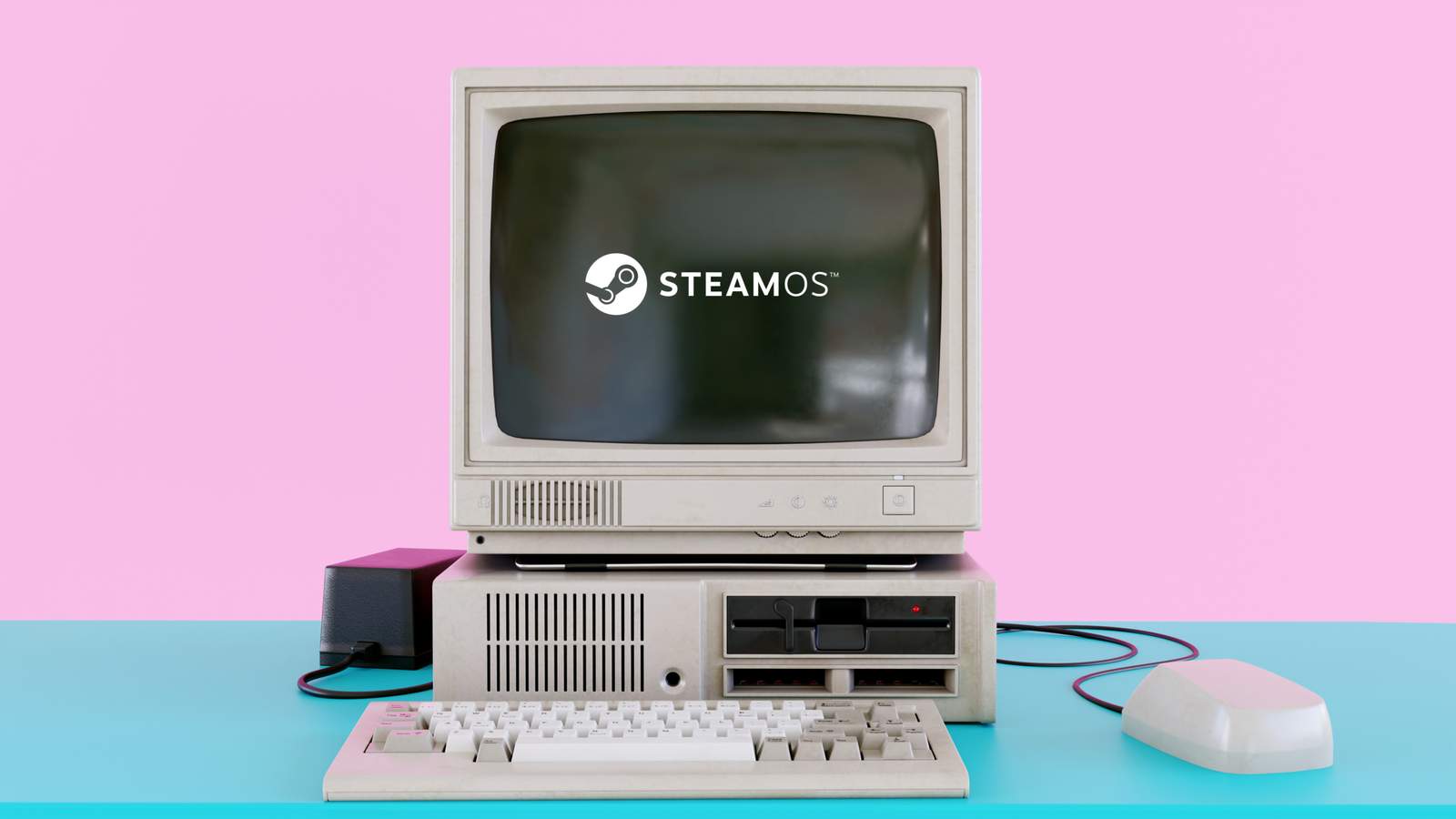
The Gathering Storm: Why Microsoft’s Windows 11 Gaming Fixes Might Be Outmatched by SteamOS
For decades, Windows has reigned supreme as the undisputed operating system for PC gaming. Its dominance felt absolute, a seemingly unshakeable foundation for an entire industry. However, recent developments suggest this long-held status quo is beginning to face its most significant challenge yet from an unexpected quarter, prompting many to question if Microsoft truly understands its core gaming audience.
There’s a growing sentiment among PC gaming enthusiasts that Microsoft has, for quite some time, overlooked their specific needs. Rather than focusing on optimisation and performance, new Windows iterations often bring unwelcome changes. This perceived indifference has slowly chipped away at the loyalty of a user base that demands peak performance and a streamlined experience.
The rise of SteamOS, Valve’s Linux-based operating system, initially powered by the Steam Deck, has fundamentally altered the landscape. What was once considered a niche or experimental platform is now demonstrating remarkable capability. It offers a compelling, gaming-centric alternative, free from the traditional bloat and telemetry associated with Windows.

SteamOS, particularly through Proton compatibility layer, has proven its ability to run a vast majority of Windows games with impressive performance. This has opened the door for many gamers to consider a genuine alternative. The promise of a dedicated gaming environment, crafted by a company deeply embedded in the PC gaming ecosystem, resonates strongly with players.
Microsoft’s recent announcements regarding improvements to Windows 11 for gaming appear to be a direct response to this emerging threat. Features like Auto HDR, DirectStorage, and various performance tweaks are certainly welcome. They demonstrate an acknowledgement, albeit a delayed one, that the Windows gaming experience needs attention.
However, for many in the community, these efforts feel like a case of “too little, too late.” The issues that have plagued Windows 11 for gamers, such as intrusive updates, fluctuating performance, and a user interface that sometimes feels disjointed, have already driven a segment of the audience to explore other options. Trust, once implicit, is now wavering.
The shift towards SteamOS isn’t just about raw performance; it’s also about philosophy. Gamers are increasingly drawn to an open-source ethos that prioritises player control and a system designed from the ground up for gaming. This contrasts sharply with Windows, which must cater to a vast array of users and applications, inevitably leading to compromises.
Furthermore, the perceived lack of agility from Microsoft in addressing long-standing gaming frustrations has been a point of contention. While SteamOS is continuously refined with direct input from the gaming community, Windows development often feels slower and less responsive to specific gaming demands. This difference in approach is becoming more apparent.
The success of the Steam Deck, and by extension SteamOS, has proven that there is a significant appetite for a dedicated gaming OS. It’s not merely a handheld console; it’s a proof of concept for a desktop-class Linux gaming experience. This has spurred other hardware manufacturers and developers to take Linux gaming more seriously, further eroding Windows’ monopoly.
Microsoft’s belated attempts to ‘fix’ Windows 11 for gaming, while potentially beneficial, may struggle to recapture the momentum lost to SteamOS. The challenger has already established a credible foothold, offering a compelling narrative of freedom and specialisation. The conversation has moved beyond mere feature parity to fundamental design philosophy.
The stakes are high. If Microsoft fails to genuinely reconnect with the PC gaming community and deliver a consistently superior experience, the erosion of its market share could accelerate. Windows may always be a general-purpose powerhouse, but its position as the default, undisputed choice for serious PC gamers is now genuinely under threat.
Ultimately, the landscape of PC gaming is evolving, and with it, the expectations of players. The rise of SteamOS represents more than just a new operating system; it’s a paradigm shift. Microsoft must do more than just offer incremental improvements; it needs to demonstrate a fundamental understanding and commitment to the future of PC gaming to truly compete.
Also Read: NordVPN Unveils Advanced Email Protection: Safeguarding Your Inbox from Phishing and Malware