The Risky Convenience: Why Apacer’s Keyring SSD Might Be a Data Disaster Waiting to Happen
The Risky Convenience: Why Apacer’s Keyring SSD Might Be a Data Disaster Waiting to Happen
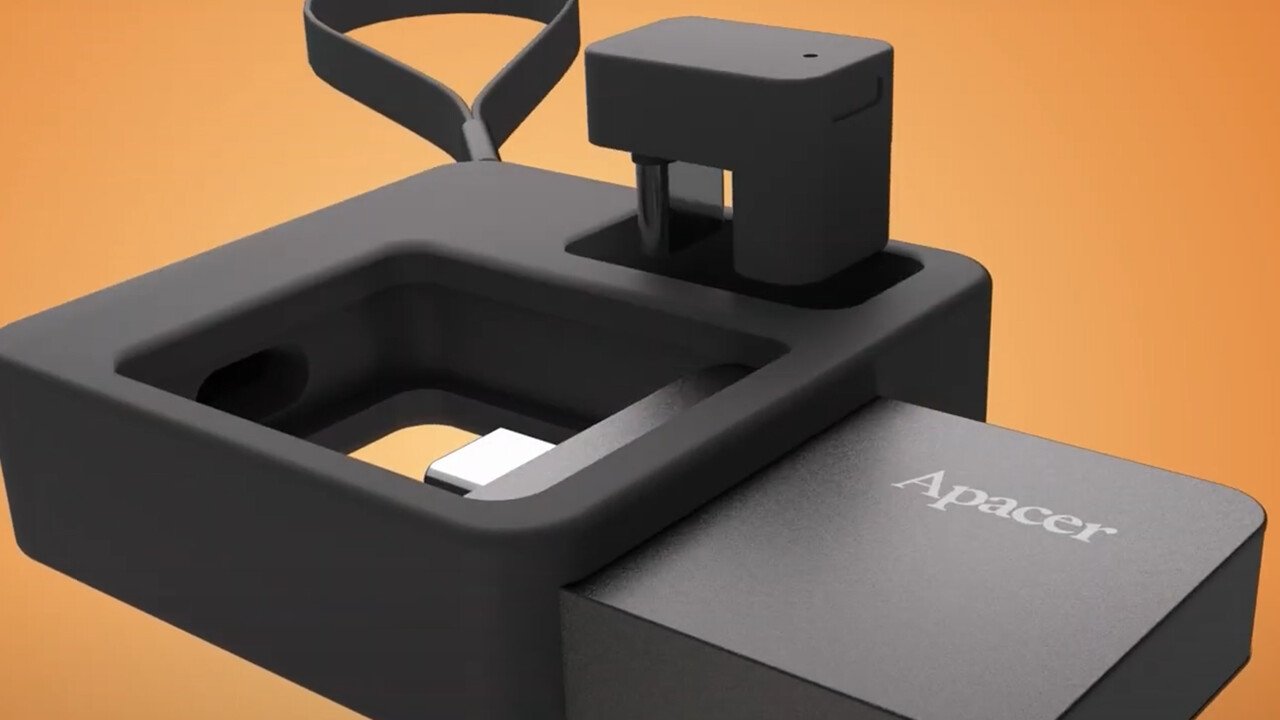
Apacer recently unveiled its AH270 ECO keyring SSD, a compact and undeniably sleek piece of technology designed for ultimate portability. At first glance, the concept of a solid-state drive that can easily attach to your existing set of keys seems incredibly appealing, promising lightning-fast data transfer right at your fingertips. However, a closer examination reveals a significant oversight in its design, one that could potentially put your valuable data at substantial and unnecessary risk.
While the allure of having a fast, high-capacity storage device readily available on your keyring is strong, it inadvertently transforms your critical digital assets into a prime target for various everyday hazards. The very convenience it champions becomes its Achilles’ heel, making data security and physical integrity a constant, looming concern. This innovative approach to portability, regrettably, appears to prioritise accessibility over robust protection.
One of the most immediate and glaring issues with a keyring SSD is the profound vulnerability to theft or simple loss. Keys are among the most frequently misplaced or stolen items in our daily lives, often left unattended on desks, dropped on pavements, or snatched from bags. Attaching a drive containing potentially sensitive personal or professional information to such an exposed item dramatically escalates the stakes involved.
Imagine the implications if your keyring, complete with this speedy SSD, were to go missing. Without robust, hardware-level encryption, any data stored on it would be instantly accessible to whoever finds or steals it. This poses a significant breach of privacy and could lead to severe consequences, from identity theft to corporate espionage, far outweighing the initial convenience of its keyring design.
Beyond the risks of theft and loss, the physical placement of an SSD on a keyring subjects it to an unprecedented level of wear and tear. Keys are constantly jostling together in pockets, bags, or on desks, creating a harsh environment of scrapes, knocks, and continuous friction. This constant physical assault can gradually degrade the device’s exterior, and more critically, potentially compromise its internal components over time.
Although solid-state drives are known for their resilience compared to traditional hard drives, they are by no means indestructible. The repetitive impact from being dropped, which is an almost inevitable occurrence for items attached to keys, can still cause significant internal damage. Even minor drops can potentially dislodge components or create micro-fractures, leading to data corruption or complete device failure, rendering your stored information inaccessible.
Furthermore, daily life exposes keyrings to a multitude of environmental factors that are far from ideal for sensitive electronics. Consider the splashes from a sudden rain shower, the accumulation of dust and lint from pockets, or even extreme temperature fluctuations when left in a vehicle. Such exposures are significantly more probable for a device constantly attached to keys than for one safely tucked away in a protective case or bag.
These environmental stresses can accelerate the degradation process, reducing the lifespan of the SSD and increasing the likelihood of unexpected failures. A portable storage device should offer a degree of protection against the elements it’s likely to encounter, but a keyring design inherently sacrifices this for the sake of constant availability, a trade-off many users might not fully appreciate until it’s too late.
The argument for robust data protection extends beyond physical security; it encompasses the fundamental principle of responsible data management. While personal responsibility plays a role, product design should ideally mitigate common risks, not exacerbate them. A portable SSD, by its very nature, encourages the movement of data, making its vulnerability on a keyring an even greater concern for anyone handling important files.
When contrasted with more conventionally designed portable SSDs, which often come with durable enclosures and are typically stored in bags or protective sleeves, the keyring model stands out as an anomaly. These traditional designs inherently offer a better layer of defence against both physical damage and the likelihood of loss, providing a more secure and reliable method for transporting data without undue risk.
Ultimately, while Apacer’s AH270 ECO keyring SSD attempts to innovate in the realm of portability, its design inherently introduces an unacceptable level of risk for data security and device longevity. The convenience of having an SSD on your keys simply does not outweigh the magnified dangers of theft, accidental loss, physical damage from drops, and exposure to daily environmental hazards. Users deserve solutions that blend innovation with unwavering reliability and robust protection for their valuable digital assets.
For those requiring truly portable storage, investing in a drive with strong encryption features and a design that encourages safer handling and storage practices remains the most sensible approach. Until keyring SSDs incorporate significantly enhanced security and resilience features, they will regrettably remain a concept that, despite its surface appeal, is fundamentally flawed and potentially detrimental to data integrity.
Also Read: