UK creators share Nano Banana Pro prompts for movie poster edits
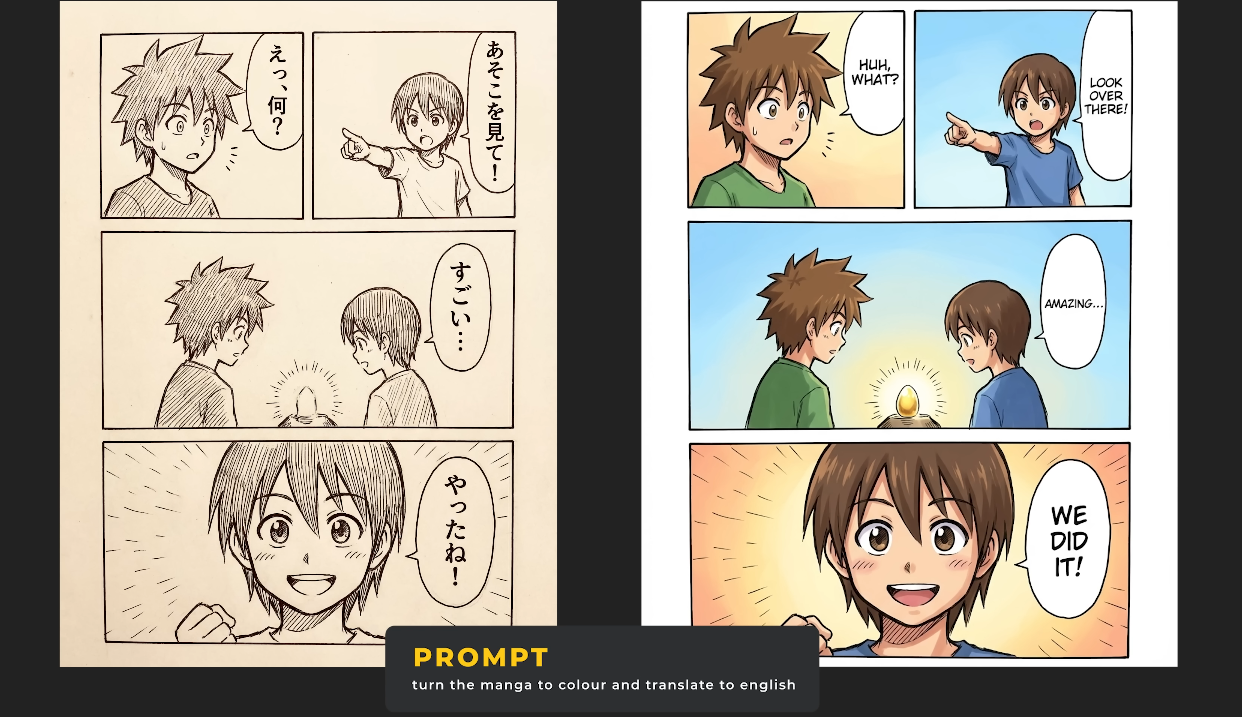
AI-powered poster design spreads across UK creative communities
UK creators are rapidly adopting Nano Banana Pro to produce cinema-style poster artwork, marking one of the most significant creative shifts in digital design this year. The AI tool’s advanced text rendering, cinematic lighting controls and high-resolution output have made it especially appealing to artists, indie filmmakers and social-media designers seeking professional-grade visuals without expensive software.
Across online creator hubs, discussions have intensified as users trade prompt templates engineered to deliver bold titles, atmospheric scenes and layered poster compositions. These shared prompts have become a foundation for newcomers, enabling them to achieve complex, studio-quality layouts that would traditionally require advanced graphic-design skills.
The tool’s biggest breakthrough for UK designers lies in its ability to generate perfectly sharp text within images. Previous AI systems often distorted typography, limiting their usefulness for poster-based work. Nano Banana Pro, however, produces clean, consistent lettering, making it suitable for title treatments, taglines and full theatrical-style layouts.
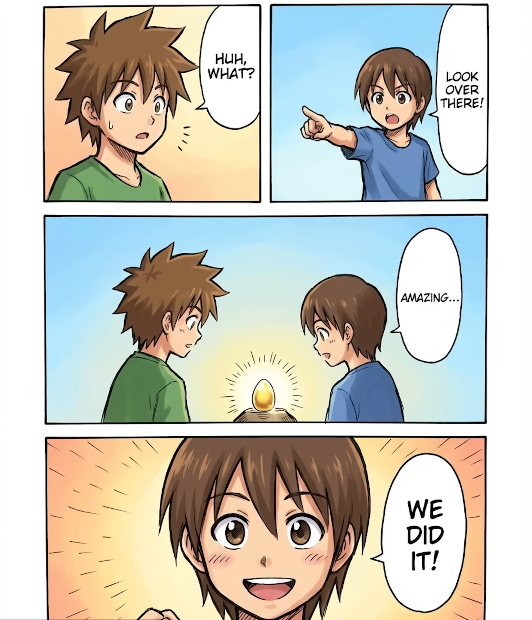
Copy and paste this Nano Banana Pro prompt to generate the article’s title as a cinematic poster: “Create a polished movie-poster style image featuring the title ‘UK creators share Nano Banana Pro prompts for movie poster edits’ in bold, centered, perfectly sharp typography. Use dramatic cinematic lighting, subtle film grain, and a dark vignette background. Render in ultra-high-resolution 4K with a premium studio-poster finish.”
Independent filmmakers in the UK have quickly embraced the technology for pre-production tasks. Many now use Nano Banana Pro to build early poster concepts, map out cast placement and refine tonal direction before committing to final paid design work. This approach has helped smaller studios elevate visual branding while keeping costs under control.
Social-media creators, especially those working on TikTok and Instagram, have also adopted the model to craft eye-catching thumbnails and promotional graphics. Poster-style edits have surged in popularity, with users generating stylised frames for short films, gaming content, music releases and episodic storytelling.
Another advantage driving widespread adoption is the tool’s ability to blend reference images seamlessly. UK creators regularly merge actor portraits, location stills or branding elements with stylistic instructions to produce cohesive, recurring visuals. This ensures character consistency across multiple poster variations, a feature valued by creators managing long-running projects.
Grassroots arts groups — including theatre companies, student societies and community film clubs — have found Nano Banana Pro particularly transformative. Many lacked access to professional design tools or hired illustrators. With AI-powered options now accessible, these organisations can develop polished promotional material at little to no cost.
The wider creative industry has taken note of the trend. Designers highlight how Nano Banana Pro aligns with shifts toward faster, more flexible production pipelines. The ability to generate variations instantly has accelerated brainstorming and reduced bottlenecks, helping creators test colour schemes, layouts and thematic directions quickly.
UK prompt-sharing networks continue to expand, with creators publishing step-by-step breakdowns on achieving noir effects, sci-fi atmospheres or vintage poster styles. This growing knowledge base has made high-quality design more accessible, even for beginners unfamiliar with traditional editing software.
As Nano Banana Pro evolves, experts predict it will become a permanent fixture in UK creative workflows. Its blend of speed, control and cinematic output is reshaping expectations around what individuals and small teams can achieve without a full design studio, marking a new chapter in accessible visual production.