OnePlus 15 bezel-fat or slim?: design analysis of sleekness
How the OnePlus 15 achieves a modern edge-to-edge look
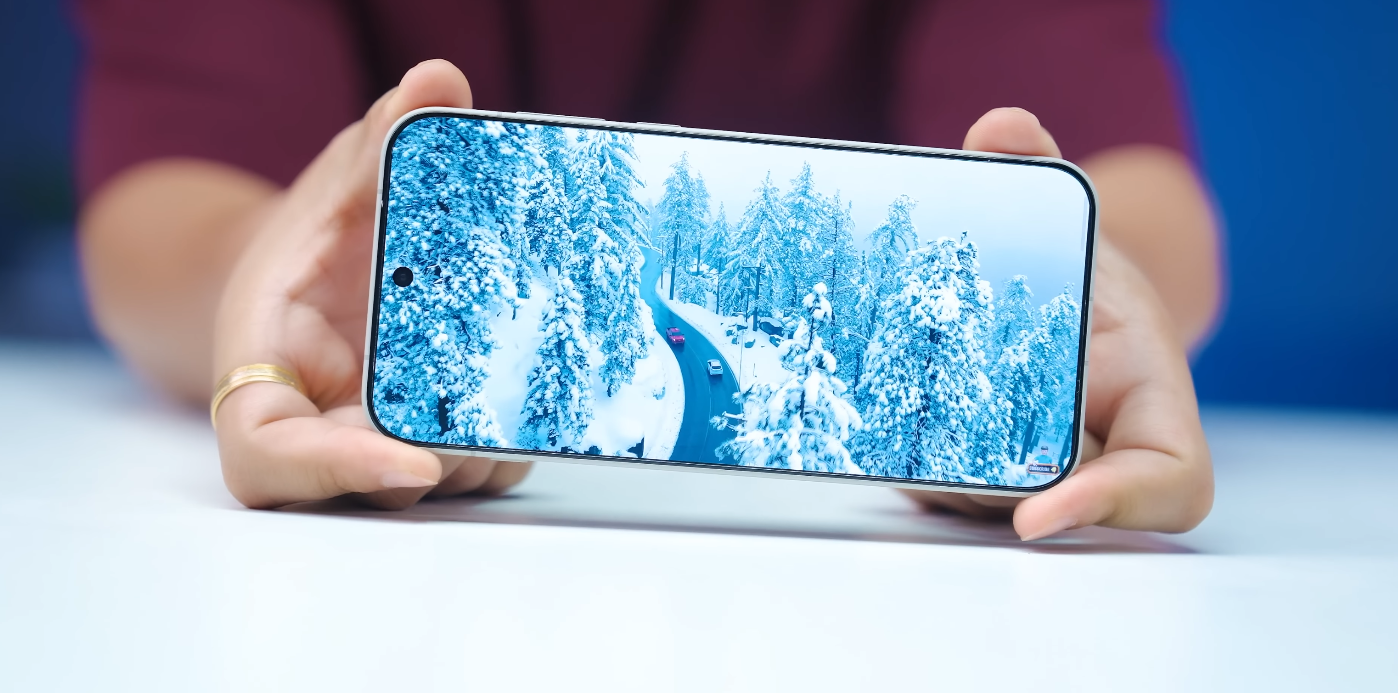
The OnePlus 15 has generated major attention in the UK market for its bold focus on an ultra-slim bezel display. The company claims the bezels surrounding the screen have been reduced more than any previous OnePlus flagship generation. This move aims to give users an immersive viewing experience without the distraction of a thick frame around the edges.
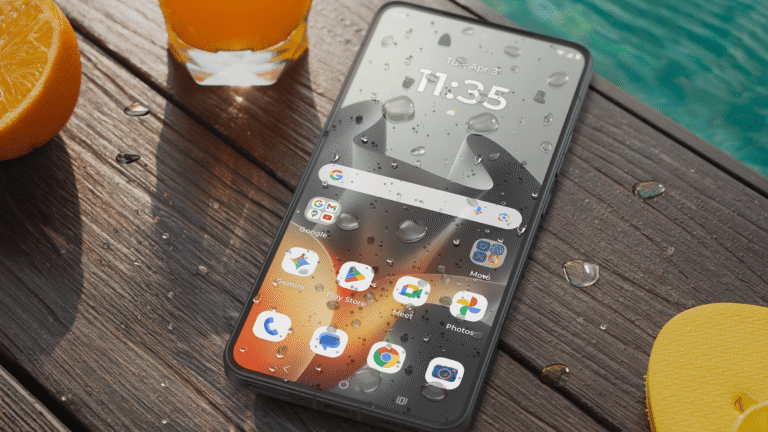
In real-world use, the slim bezel design gives the phone a clean and premium look. The front display covers almost the whole face of the device, creating a modern, full-screen aesthetic. Unlike many models that retain a slightly thicker chin at the bottom, the OnePlus 15 works to maintain uniform bezel thickness on all four sides, adding to its visual symmetry.
The sleek effect is also enhanced by the choice of a flat display instead of a curved one. A flat screen helps the bezel appear even tighter and makes the edges look sharp and minimal. For users who consume a lot of media and gaming content, the wider usable screen area is immediately noticeable.
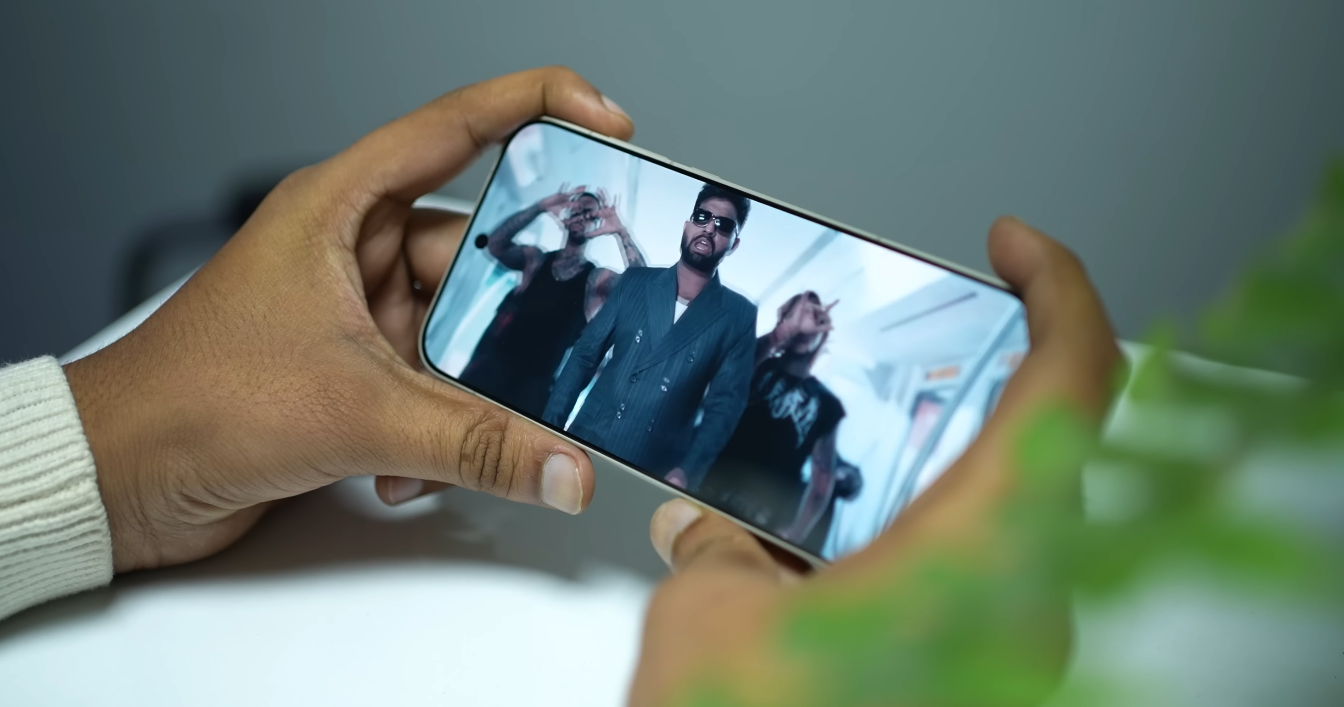
However, the slim bezel design does not automatically make the overall body slim. The phone has flat aluminium side rails that give it a solid, noticeable hand feel. Some users may experience a slightly boxier grip than devices with rounded edges, even though the bezels themselves are extremely thin.
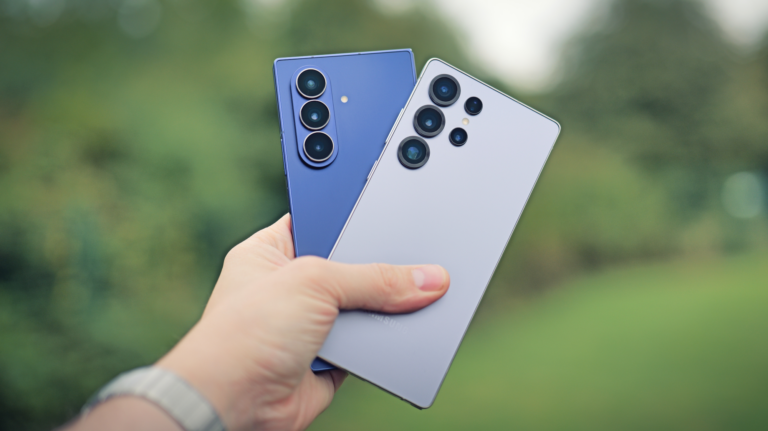
Another important factor is the camera island on the rear. While the front bezel offers an elegant and minimal surface, the large camera housing gives the phone a bolder form factor from the back. This has shaped mixed opinions: some people appreciate the bold flagship identity, while others prefer minimal rear styling to match the front.
Functionally, the ultra-slim bezel does not appear to affect durability. The device maintains structural rigidity and shows no display flex under regular usage conditions. Screen protectors also align more precisely due to the flat design, reducing bubbles and misfit issues that curved displays sometimes cause.
When placed side-by-side with earlier OnePlus models, the 15 clearly represents the company’s most refined front design to date. The screen-to-body ratio is noticeably higher, giving the phone a sleek, futuristic impression that aligns with flagship expectations. For users who prioritise display aesthetics, it strengthens the OnePlus 15’s identity in a crowded smartphone market.
Still, from a complete design perspective, opinions will vary depending on what users value most. Those who prefer the slimmest body profile and softer frame edges might find rival flagships more comfortable. But for anyone who wants a premium front-facing look that maximises screen presence, the OnePlus 15 stands out decisively.
In conclusion, the OnePlus 15 falls firmly into the slim-bezel category rather than the bezel-fat one. Its front design delivers modern sleekness and a high-end viewing experience, even if the overall handset still carries a bold physical presence due to its shape and rear camera system.
Also Read: Redmi 15 major compromises: What you lose for the price?