Redmi K90 Pro Max fast charging impact on battery health: myth vs reality

Does Fast Charging Really Damage the Redmi K90 Pro Max Battery?
The Redmi K90 Pro Max has drawn attention for its powerful 100W wired fast charging system, promising to refill its large battery in under half an hour. But for many UK buyers, a key question arises — does this high-speed charging affect long-term battery health? There’s been much debate on whether such rapid charging reduces battery lifespan, so it’s worth separating myth from reality.
One of the most common myths is that fast charging inevitably harms the battery. The belief stems from older lithium-ion battery behaviour, where higher current meant more heat and faster chemical wear. While this was partly true a few years ago, today’s smartphones use far more advanced battery management systems and cell designs that minimise those risks.
The Redmi K90 Pro Max uses a modern silicon-carbon battery, engineered for high efficiency and reduced heat generation. It’s paired with a smart power management chip that carefully regulates current flow during charging. This allows the device to draw power rapidly at the start, then gradually slow down as it nears full capacity, preventing overcharging and heat build-up — two major factors behind battery degradation.
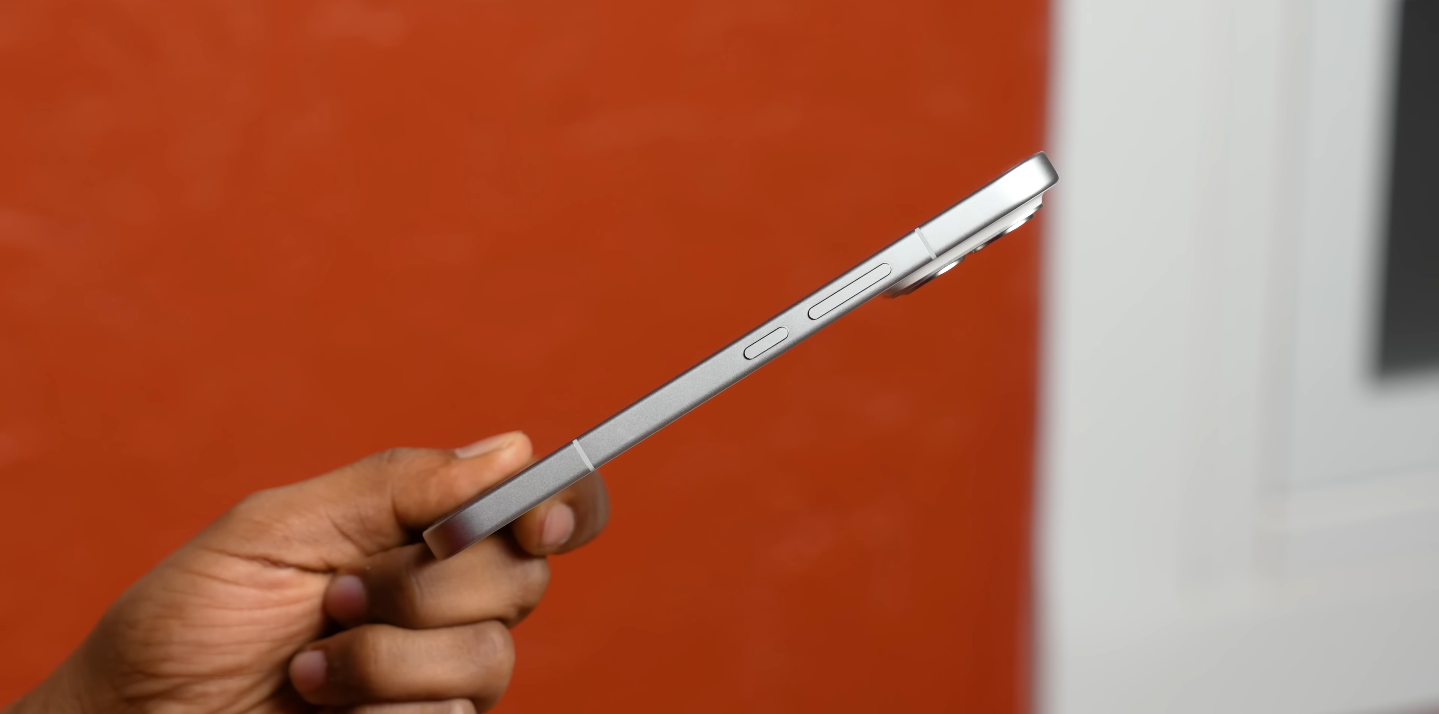
In practical UK conditions, with moderate ambient temperatures and typical indoor usage, the K90 Pro Max’s fast charging is well within safe operating limits. Tests and early user reports suggest that the phone stays cool even during full-speed charging sessions. The temperature control and split-cell battery design ensure that thermal levels remain balanced, which is crucial for longevity.
Another myth is that fast charging reduces total charge cycles significantly. In reality, a battery’s health is affected more by how it’s used daily — such as being kept at 100% for long hours, frequent deep discharges, or exposure to heat. With Redmi’s adaptive charging algorithms, the device optimises power delivery based on conditions, reducing unnecessary strain during short top-ups or overnight charging.
To maintain battery health, UK users can follow a few simple habits. Always use the official 100W charger or a certified GaN charger that supports the same power profile. Avoid charging the phone under direct sunlight or while performing demanding tasks like gaming. Also, where possible, let the device cool down before plugging it in after extended use.
For those planning to keep their phone for several years, using slower charging occasionally — such as with a standard 30W or 45W charger — can slightly reduce long-term wear. However, this is optional, as Redmi’s battery system is already built to handle high wattage safely. The key is to manage temperature, not to avoid fast charging altogether.
In reality, modern smartphones like the Redmi K90 Pro Max are designed to balance speed with safety. The hardware and software work together to prevent excessive voltage stress and thermal buildup. Over two to three years of regular use, the difference in battery capacity loss between fast and slow charging remains minimal if used correctly.
For UK buyers, the takeaway is simple — fast charging on the Redmi K90 Pro Max is both efficient and safe when used responsibly. The myths about fast charging ruining batteries belong to an earlier generation of devices. With Redmi’s improved technology, users can enjoy the convenience of rapid charging without sacrificing long-term health or reliability.