
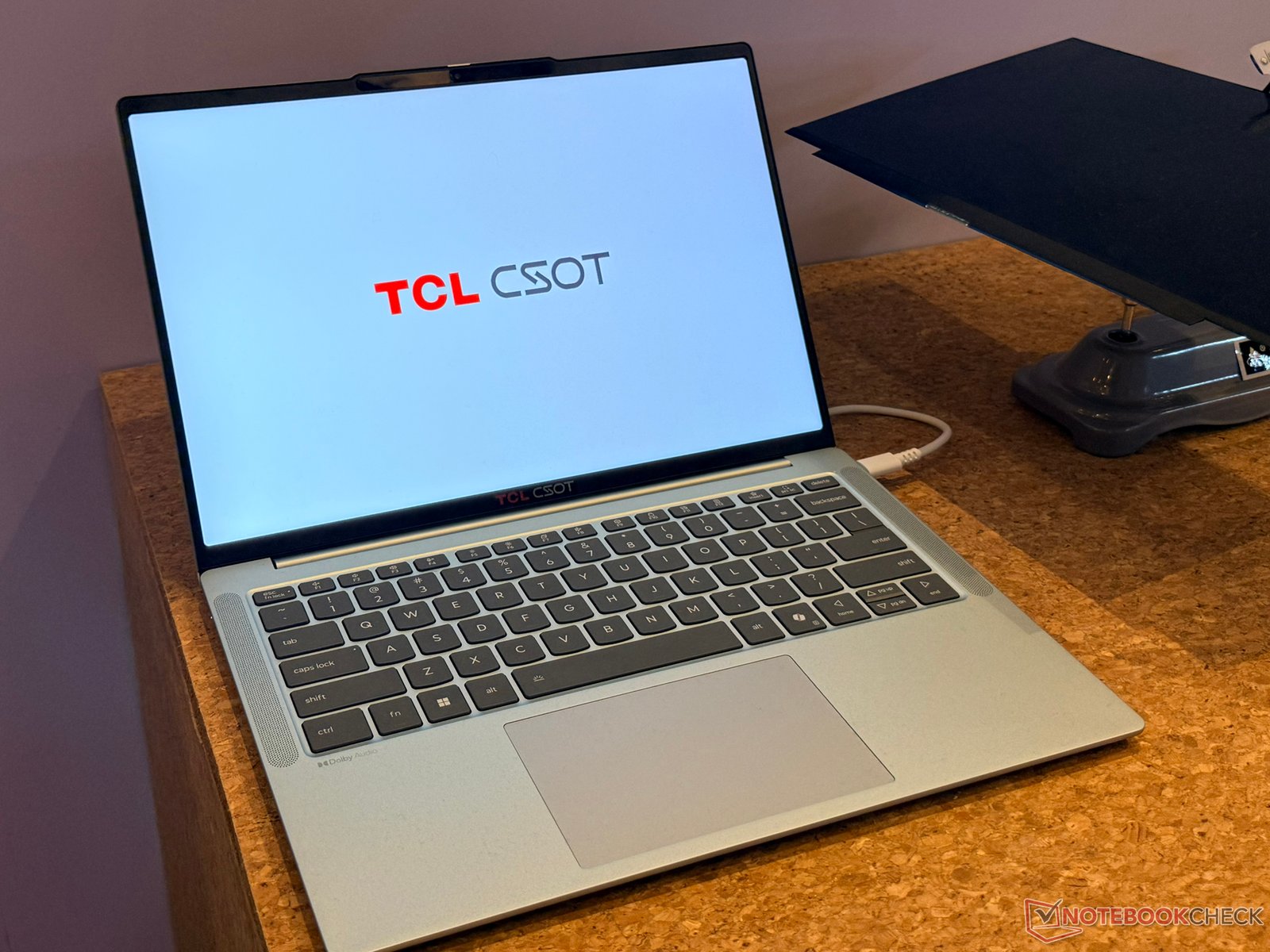
Lenovo Yoga Pro Prototype Unveiled With Milliwatt Display At DTC 2026
Lenovo Yoga Pro Prototype Steals Spotlight At DTC 2026
Display Technology Conference 2026 delivered plenty of excitement around high-performance OLED panels, but TCL CSOT also made waves with a different kind of innovation. The Chinese display giant showcased what it calls eco-friendly display technology, and the centerpiece was a Lenovo Yoga Pro laptop prototype equipped with a groundbreaking milliwatt-class 14-inch 120Hz panel. This development signals a potential shift toward ultra-efficient mobile computing that could redefine battery life expectations for premium ultraportables.
Milliwatt-Class Display Technology Explained
The term milliwatt-class refers to display power consumption measured in single-digit milliwatts rather than the tens or hundreds of milliwatts typical of conventional laptop screens. TCL CSOT achieved this through advanced LTPO backplane architecture combined with proprietary emissive materials that minimize energy draw during static content rendering. The 14-inch panel maintains a 120Hz refresh rate for smooth motion while dynamically scaling down to as low as 1Hz when displaying still images or text. This adaptive refresh capability mirrors technology found in the Samsung Galaxy S24 Ultra and iPhone 16 Pro but pushes efficiency further through novel circuit design.
Implications For Lenovo Yoga Pro Battery Life
Current Lenovo Yoga Pro 9i Gen 9 models with standard OLED panels deliver approximately 10 to 12 hours of real-world mixed usage. Engineers estimate the milliwatt-class display could extend that figure toward 18 to 22 hours under similar workloads. Such gains would place the Yoga Pro lineup in direct competition with Apple MacBook Air M3 battery benchmarks while retaining x86 architecture compatibility. The prototype demonstrated at DTC 2026 reportedly sustained video playback at 200 nits brightness for over 24 hours on a single charge, though controlled lab conditions likely overstate real-world results.
TCL CSOT Eco-Friendly Display Strategy
Beyond raw efficiency, TCL CSOT emphasized reduced manufacturing footprint for its new display line. The production process reportedly cuts per-panel carbon emissions by 35 percent compared to traditional OLED fabrication through lower-temperature deposition and solvent-free encapsulation. This aligns with Lenovo sustainability commitments announced at CES 2025, where the company pledged net-zero operations by 2050. Other manufacturers including ASUS and HP have signaled interest in adopting similar panels for future ZenBook and Spectre models respectively.
Market Timeline And Competitive Landscape
Industry analysts expect commercial devices featuring milliwatt-class displays to reach market in late 2026 or early 2027. The Lenovo Yoga Pro 9i Gen 10 appears the most likely candidate for first integration, potentially debuting alongside Intel Core Ultra Series 2 processors. Competing technologies include Samsung Display QD-OLED with adaptive refresh and LG Display tandem OLED used in iPad Pro M4, though neither currently matches the claimed sub-5mW typical power draw. Microsoft Surface Laptop 7 and Dell XPS 14 refreshes may also adopt the technology if supply chains mature as projected.
What This Means For Mobile Professionals
For content creators, developers, and business travelers, the practical impact extends beyond raw runtime. Lower display power reduces thermal load, enabling sustained CPU performance without fan noise spikes during video conferencing or light rendering tasks. The 120Hz refresh rate preserves smooth scrolling and stylus responsiveness critical for digital artists using Lenovo Precision Pen 3. If pricing remains competitive with current premium OLED upgrades, milliwatt-class panels could become the new standard for professional ultraportables by 2028.