
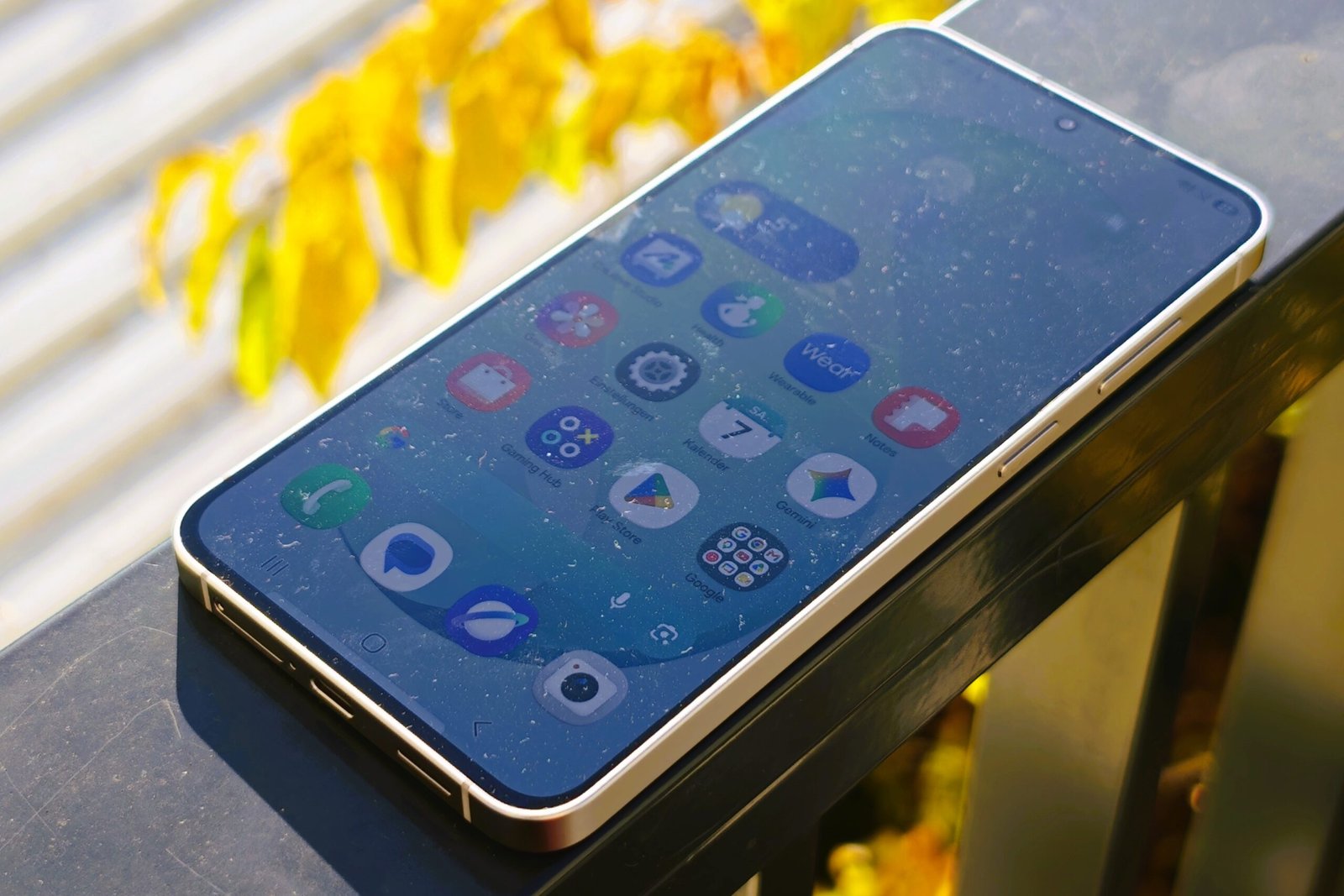
Samsung Galaxy S26 FE Fingerprint Sensor Disappoints More Than Telephoto Camera
Samsung Galaxy S26 FE Fingerprint Sensor Frustration
In our Samsung Galaxy S26 FE review one detail stood out as particularly frustrating in daily use the unreliable fingerprint sensor. For many users it will probably be more bothersome than the outdated telephoto camera. If you are used to an ultrasonic fingerprint sensor this new midrange Samsung phone is likely to disappoint. The optical scanner embedded under the display often requires multiple attempts to unlock and frequently fails with slightly damp or dry fingers. This becomes a daily annoyance because you unlock your phone dozens of times each day.
Ultrasonic vs Optical Fingerprint Technology
Samsung Galaxy S25 and Samsung Galaxy S25 Plus feature Qualcomm 3D Sonic Gen 2 ultrasonic sensors that read the 3D ridges of your fingerprint using sound waves. They work reliably with wet or oily fingers and are generally faster. The Samsung Galaxy S26 FE however uses a cheaper optical sensor that relies on light to capture a 2D image. This technology struggles in low light and with varying skin conditions. Even the Samsung Galaxy S24 FE included an ultrasonic sensor so this regression feels like a cost cutting measure that directly impacts user experience.
Telephoto Camera Limitations
The telephoto camera on the Samsung Galaxy S26 FE is an 8 megapixel sensor with 3x optical zoom. While it is not terrible it lacks the resolution and low light performance of the 10 megapixel 3x telephoto on the Samsung Galaxy S25. In daylight photos look decent but in dim conditions noise becomes obvious and detail suffers. Compared to the Google Pixel 8a which uses computational photography to achieve similar zoom results the Samsung Galaxy S26 FE telephoto feels dated. However most users will zoom far less often than they unlock their phone.
Daily Usability Impact
Unlocking your phone is the most frequent interaction you have with it. A fingerprint sensor that fails two or three times before succeeding adds friction to every task. You might find yourself entering your PIN more often than you would like. This is especially frustrating when you are in a hurry or have one hand occupied. The Samsung Galaxy S26 FE also lacks face unlock as a reliable backup because it uses a basic 2D facial recognition that does not work in the dark. The combination makes biometric authentication a weak point.
Comparison With Samsung Galaxy S25 And Pixel 8a
The Samsung Galaxy S25 costs more but includes an ultrasonic fingerprint sensor a better telephoto camera and a more powerful Snapdragon 8 Elite for Galaxy chipset. The Google Pixel 8a at a similar price point offers a reliable optical fingerprint sensor that is better tuned and excellent computational photography that largely compensates for the lack of a dedicated telephoto lens. If biometric reliability is a priority the Pixel 8a or the older Samsung Galaxy S24 FE might be smarter choices.
Final Verdict On Samsung Galaxy S26 FE
The Samsung Galaxy S26 FE is a solid midrange phone with a bright display good battery life and seven years of updates. But the fingerprint sensor regression is a significant daily annoyance that overshadows the telephoto camera shortcomings. If you can tolerate occasional unlock failures the phone offers good value. However if you expect the seamless biometric experience of a flagship you should consider spending more on the Samsung Galaxy S25 or looking at the Google Pixel 8a. Samsung needs to bring ultrasonic sensors back to the FE line in the next generation.