
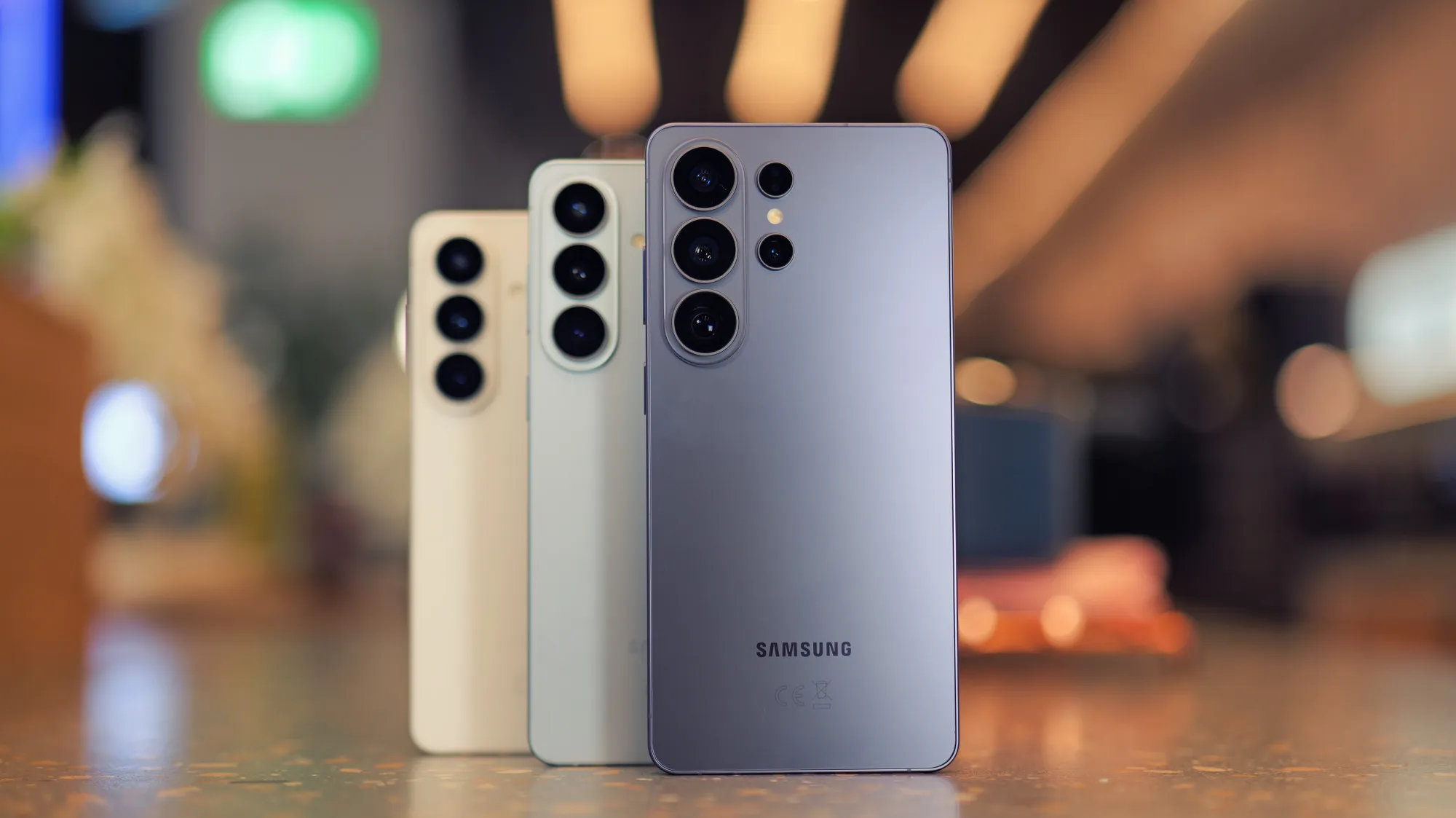
Overview of the upcoming Samsung Galaxy S27 series
The Samsung Galaxy S27 family is expected to arrive in early 2027, bringing a larger lineup than the recent Samsung Galaxy S26 range. Rumours suggest five models – the standard S27, S27+, S27 Ultra, a new S27 Pro and possibly an S27 Edge – each targeting different price points and user preferences. Samsung appears set to address criticism that the S26 series was merely incremental, aiming for bigger design changes, camera upgrades and performance boosts.
Release timeline and launch schedule
Historically Samsung unveiled its flagships in January with sales following in February. The Samsung Galaxy S26 broke that pattern with a February reveal and March launch. Analysts predict the Galaxy S27 will revert to the traditional schedule, likely unveiling in February 2027 and hitting stores in March. This timing puts it ahead of competitors such as the Oppo Find X9 Ultra and OnePlus 15, which are also slated for early 2027 releases.
Pricing expectations
Price hikes seem inevitable. The base Samsung Galaxy S27 could start above £1000/$1000, while the Samsung Galaxy S27 Ultra may approach £1500/$1500. This follows the trend set by the Samsung Galaxy S26, whose price rose by roughly £80/$100 after launch. If the rumours hold, the S27 series could be £50‑£100 more expensive than its predecessor, pushing it into the ultra‑premium segment alongside devices like the Oppo Find X10 Pro Max.
Model lineup and design cues
The rumored Samsung Galaxy S27 Pro may feature a 6.47‑inch AMOLED display, positioned between the 6.3‑inch S27 and the 6.7‑inch S27+. The S27 Edge, if it returns, could be a compact 5.8‑inch phone with a thin 4mm profile, appealing to fans of the iPhone Mini and Asus Zenfone 10. New renders show the Samsung Galaxy S27 Ultra adopting a more horizontal camera module, reminiscent of the Honor 600 Pro, while the Pro retains a similar premium look but with a slightly smaller footprint.
Camera and battery upgrades
Early leaks hinted at a variable aperture on the Samsung Galaxy S27 Ultra, but cost concerns may have shelved that feature. Instead, the Ultra might drop the 10MP 3x telephoto lens, focusing on a larger main sensor – possibly 200MP – and a revised telephoto option. The Samsung Galaxy S27 Pro could receive a 12MP 3x telephoto, improving on the S26 Ultra’s 10MP lens. Battery capacity is also set to increase: the Ultra may house a 5700mAh cell, while the Pro could get a 5200mAh battery, both larger than the 5000mAh units in previous flagships.
Performance, chipset and storage
Samsung is expected to launch two new chipsets: the Snapdragon 8 Elite Gen 6 (and an Extreme variant) for markets that favour Qualcomm, and the Exynos 2700 for other regions. The Exynos 2700 reportedly scores higher than the Snapdragon in multi‑core benchmarks and gaming efficiency, potentially narrowing the long‑standing performance gap. Both the Ultra and Pro models may adopt UFS 5.0 storage and LPDDR6 RAM, delivering faster read/write speeds and better power efficiency compared with the LPDDR5X and UFS 4.1 used in the standard S27 and S27+.
Software features and additional innovations
Privacy Display, first seen on the Samsung Galaxy S26 Ultra, may expand to the S27 Pro and Ultra but not the base models. Samsung is also rumored to introduce Qi2 magnetic charging on the Ultra and possibly the Pro, addressing the awkward case‑based solutions of the S26 era. A new 16MP front‑facing camera could bring selfie capabilities closer to those of the iPhone 17, offering both portrait and landscape shooting modes. One UI 9.5 is expected to debut with subtle UI refinements and enhanced security options such as biometric‑locked apps.
Conclusion
While many details remain unconfirmed, the Samsung Galaxy S27 series appears poised to deliver meaningful upgrades over the Samsung Galaxy S26 line. From larger batteries and stronger chipsets to a refreshed camera layout and potential magnetic charging, Samsung seems ready to reclaim its flagship leadership in the 2027 smartphone battle.