
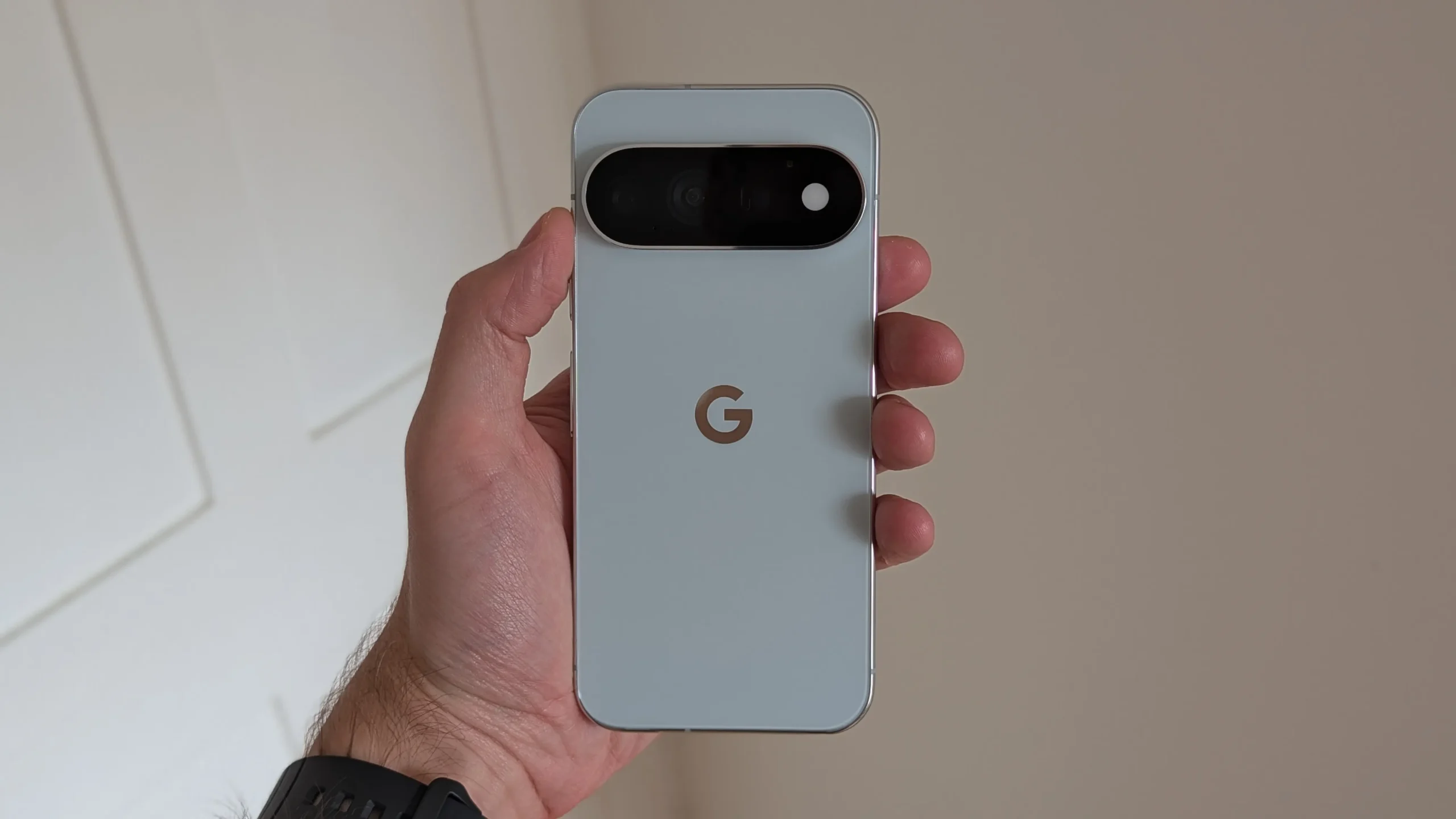
First impressions and the need for a longer test
When I first held the Google Pixel 11 Pro I described it as a flawed genius. The compact flagship dazzled with a bright 6.3‑inch display and a camera system that rivaled the Samsung Galaxy S25 and Apple iPhone 16 Pro, yet the software felt rough. Over the initial two weeks I dealt with app ghosting, random reboots and a battery that drained up to twenty‑five percent overnight. My early review reflected those frustrations.
Software updates turn the tide
Google has released several patches for Android 17 since launch. The most noticeable change is a stable recent‑apps screen that no longer freezes. Features such as NFC, 4K video audio and the AI‑powered Video Boost now work reliably. Early adopters who reported scrolling lag and crashes are now seeing a smooth experience. In my daily use the phone feels as polished as the OnePlus 12 Pro, proving that Google can fix a shaky start with timely updates.
Battery life finally behaves
Battery anxiety was a major complaint. The 4850 mAh cell gave me only a single day of use and a standby loss of ten percent or more. After the latest software refresh the phone settles into a two‑day charge cycle for moderate use, and overnight drain has dropped to a few percent. It still lags behind the best‑in‑class battery phones, but the improvement is enough to make the Pixel 11 Pro a practical compact device.
HiLight: from eyesore to background detail
The HiLight notification ring next to the camera lenses was a visual nuisance in my first review. I called it a waste of space because the white blob could not be removed. Over time the feature has become less intrusive, and Google promises a functional upgrade before the end of the year. While I would still prefer its absence, the current implementation no longer dominates the phone’s aesthetic.
Camera system continues to impress
The camera remains the Pixel 11 Pro’s strongest asset. Across daylight, low‑light and portrait scenarios the 50 MP main sensor delivers crisp, colour‑accurate images with minimal effort. Magic Capture and the new AI portrait mode add subtle background blur that makes subjects – even my dog – stand out. Selfies are sharp and natural, reinforcing my belief that the Pixel 11 Pro and its larger sibling, the Pixel 11 Pro XL, host the best point‑and‑shoot camera system on any smartphone today.
Value proposition and pricing reality
Despite the software and battery gains, the price remains a hurdle. At launch the Pixel 11 Pro started at £1,079 ($1,099), while the Pixel 10 Pro often drops below £999 and the regular Pixel 11 sits at £879. Unless a significant discount appears around Black Friday, the device is a tough sell for most buyers. Those who can wait for a price cut will find a compelling compact flagship, but the current cost limits its appeal.
Conclusion: a better phone after two months
In summary the Google Pixel 11 Pro has evolved from a buggy early release to a solid, feature‑rich handset. Software stability, improved battery life and a less obtrusive HiLight indicator have addressed my biggest early concerns. The camera continues to excel, and the overall build quality feels premium. My original criticisms were accurate at the time, but the phone now deserves a higher rating – just not at its full price tag.