
Introduction
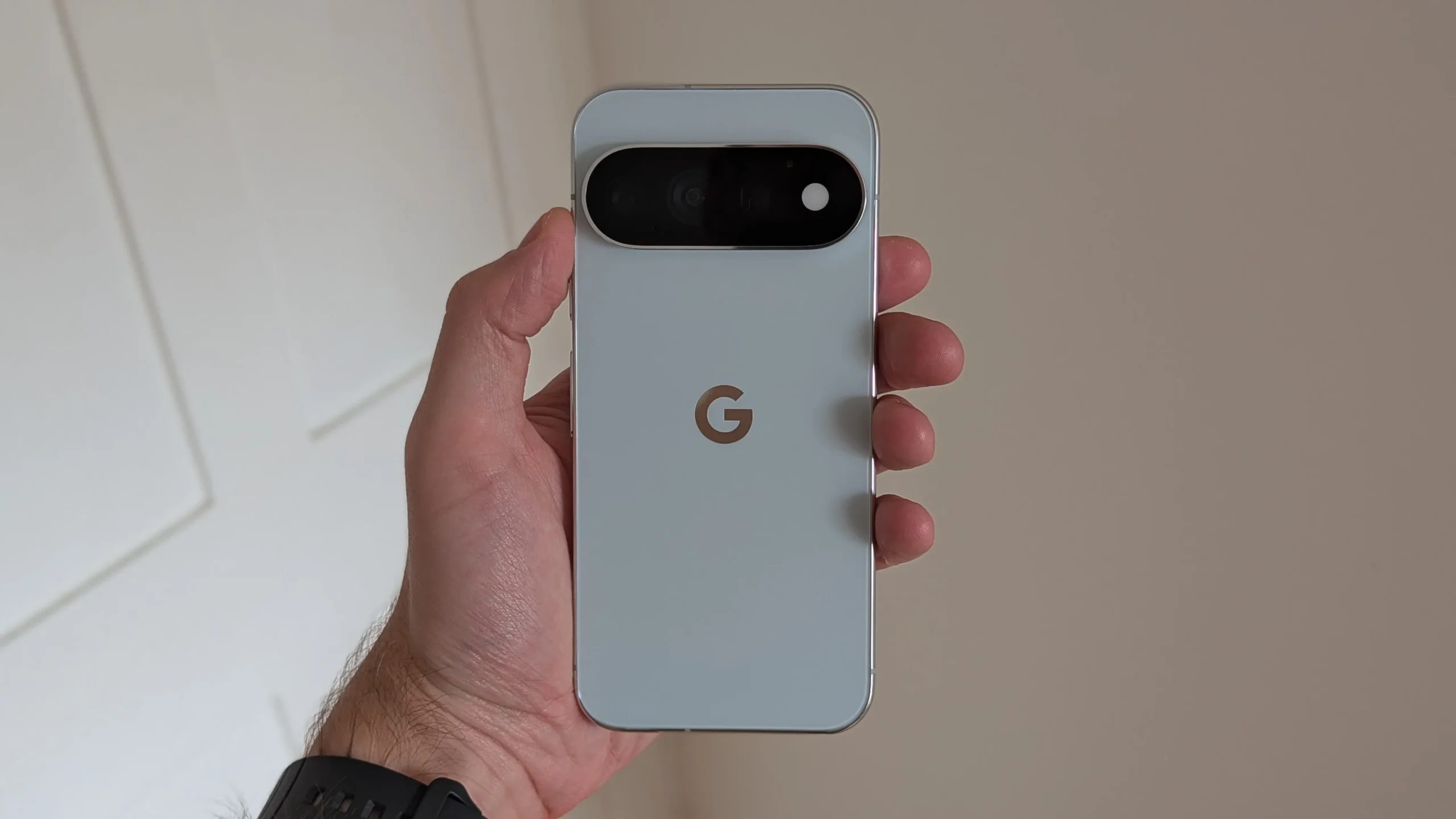
When I first handled the Google Pixel 11 Pro I described it as a flawed genius. The compact flagship dazzled with a sharp 6.3‑inch display and impressive AI features, yet it suffered from app ghosting, random reboots and a battery that drained far too quickly. My initial two‑week impressions were honest, but they only captured the early software state.
Early Issues and Fixes
During the first weeks the phone struggled with freezes, crashes and even occasional reboots. Early adopters reported problems with NFC, 4K video audio and the AI‑powered Video Boost feature. Google responded quickly, rolling out a series of updates that targeted the most glaring bugs. Android 17, while still polishing its edges, now feels stable and responsive, restoring software as a genuine strength of the Pixel line.
Battery Life Improvements
Battery anxiety was a major complaint. The 4850 mAh cell delivered poor standby, losing up to twenty‑five percent of charge without use. After the latest updates the phone now holds charge much better; overnight drain is only a few percent and I can comfortably go two days between charges. It still lags behind powerhouses like the Samsung Galaxy S25, but the compromise of a smaller form factor no longer feels punitive.
HiLight Feature Reassessment
The HiLight notification ring, positioned beside the camera module, initially seemed like an unnecessary white blob. I called it a waste of space in my first review. Over time the feature has become less intrusive, and Google promises a substantial upgrade before the year ends. While I would still prefer its removal, the presence is no longer the glaring flaw I once highlighted.
Camera System Excellence
The Pixel 11 Pro’s camera suite remains the article’s star. Across bright daylight, low‑light rooms and portrait scenarios the 50 MP main sensor delivers crisp, colour‑accurate images with minimal effort. The new Magic Capture AI adds subtle enhancements, and the selfie camera produces sharp, natural portraits that rival those of the Apple iPad Air M2’s front camera when used for video calls. Portrait mode now renders a pleasing background blur that makes pets and people stand out beautifully.
Value and Pricing
Despite the software and battery improvements, the price remains a hurdle. At launch the Pixel 11 Pro started at £1,079 (US $1,099), while the Pixel 10 Pro and the regular Pixel 11 are available for considerably less. Unless a significant discount appears around Black Friday, the device is a tough sell for most consumers seeking premium performance without a four‑figure outlay.
Conclusion
Two months on, the Google Pixel 11 Pro has shed many of its early shortcomings. The software is now smooth, battery life is respectable and the camera continues to impress. For users who can wait for a price drop, the phone offers a compelling compact flagship experience that competes with larger rivals such as the Samsung Galaxy S25 and even complements accessories like the Apple Watch Series 10. Until then, I recommend watching the market before committing to the premium price tag.