
The Overhyped Ultrawide
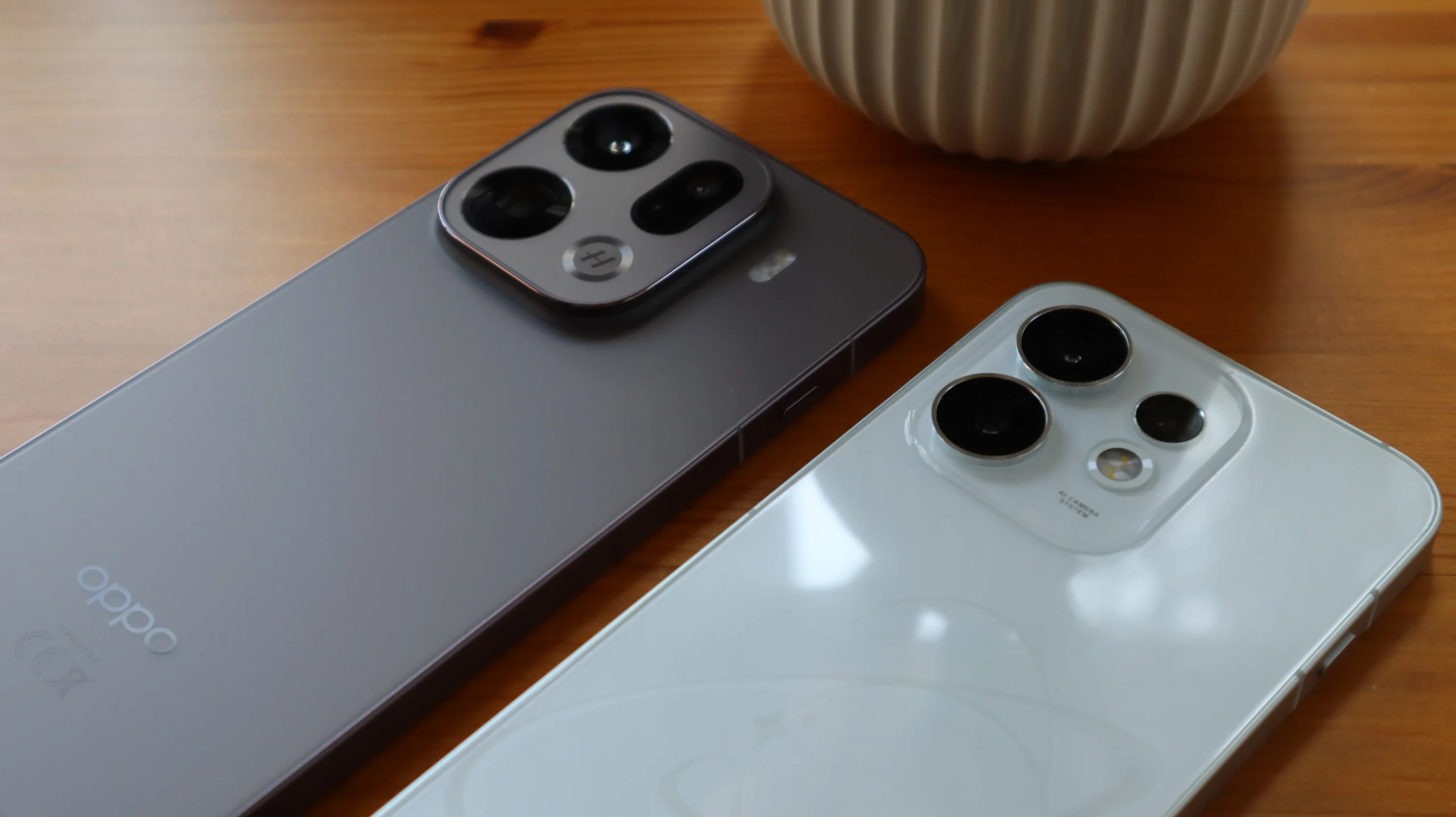
When I switched to the single‑lens iPhone 17e as my primary phone, the first thing I noticed was how little I missed an ultrawide camera. The ultrawide sensor promises sweeping cityscapes and dramatic landscapes, but on a 6.1‑inch display those expansive scenes lose most of their impact. The fine details that make an ultrawide photograph worth admiring are simply too small to appreciate on a smartphone screen. Unless you plan to print the image or view it on a large monitor, the extra field of view adds little practical value.
Telephoto Takes the Lead
What smartphones excel at is capturing moments that fit naturally on a handheld screen. A modest optical zoom, typically 2x to 3x, lets you frame a subject without moving closer, preserving candid expressions. As a new dad, I rely on the telephoto lens of my Samsung Galaxy S25 to snap portraits of my daughter from a comfortable distance. The result is a flattering portrait with a softly blurred background, something that a wide‑angle lens simply cannot replicate.
Practical Benefits for Everyday Users
Telephoto lenses are also more versatile for everyday photography. Street photographers can isolate a subject in a bustling crowd, and travel enthusiasts can capture architectural details without distortion. The optical zoom works well with portrait modes on devices such as the Apple Watch Series 10, which now supports on‑device photo editing. Even the iPad Air M2 can render telephoto images with crisp detail when you transfer them from your phone.
Why Manufacturers Should Rethink Their Lens Lineup
Most manufacturers still allocate space for an ultrawide module, often at the expense of a higher‑quality telephoto sensor. By dropping the ultrawide and investing in a better telephoto system, brands could improve low‑light performance, reduce lens flare, and offer true 3x or 5x optical zoom without compromising image quality. The Google Pixel 9, for example, could replace its 13‑mm ultrawide with a 50‑mm equivalent telephoto, delivering sharper portraits and more useful zoom for the average user.
Looking Ahead
The future of mobile photography lies in lenses that enhance the way we share moments on social platforms, not in lenses that create images best viewed on a wall. As display technology continues to improve, the need for an ultrawide sensor diminishes further. Developers can instead focus on computational photography that leverages a strong telephoto lens, delivering better depth‑of‑field effects and more accurate color reproduction.
In short, the ultrawide camera feels like a nice novelty rather than a necessity. Telephoto lenses, on the other hand, provide tangible benefits that align with how most people use their phones: capturing portraits, candid moments, and details that look good on a small screen. It’s time for smartphone makers to prioritize telephoto capabilities and let go of the ultrawide hype.
User Experience and Battery Considerations
Beyond image quality, removing the ultrawide module can free up internal space and reduce power consumption. The extra sensor and its associated image‑signal processor draw power even when not actively used. Phones like the iPhone 17e already benefit from a simpler camera stack, resulting in slightly longer battery life and thinner chassis. For users who prioritize all‑day usage, a streamlined camera system that focuses on telephoto performance makes practical sense.