
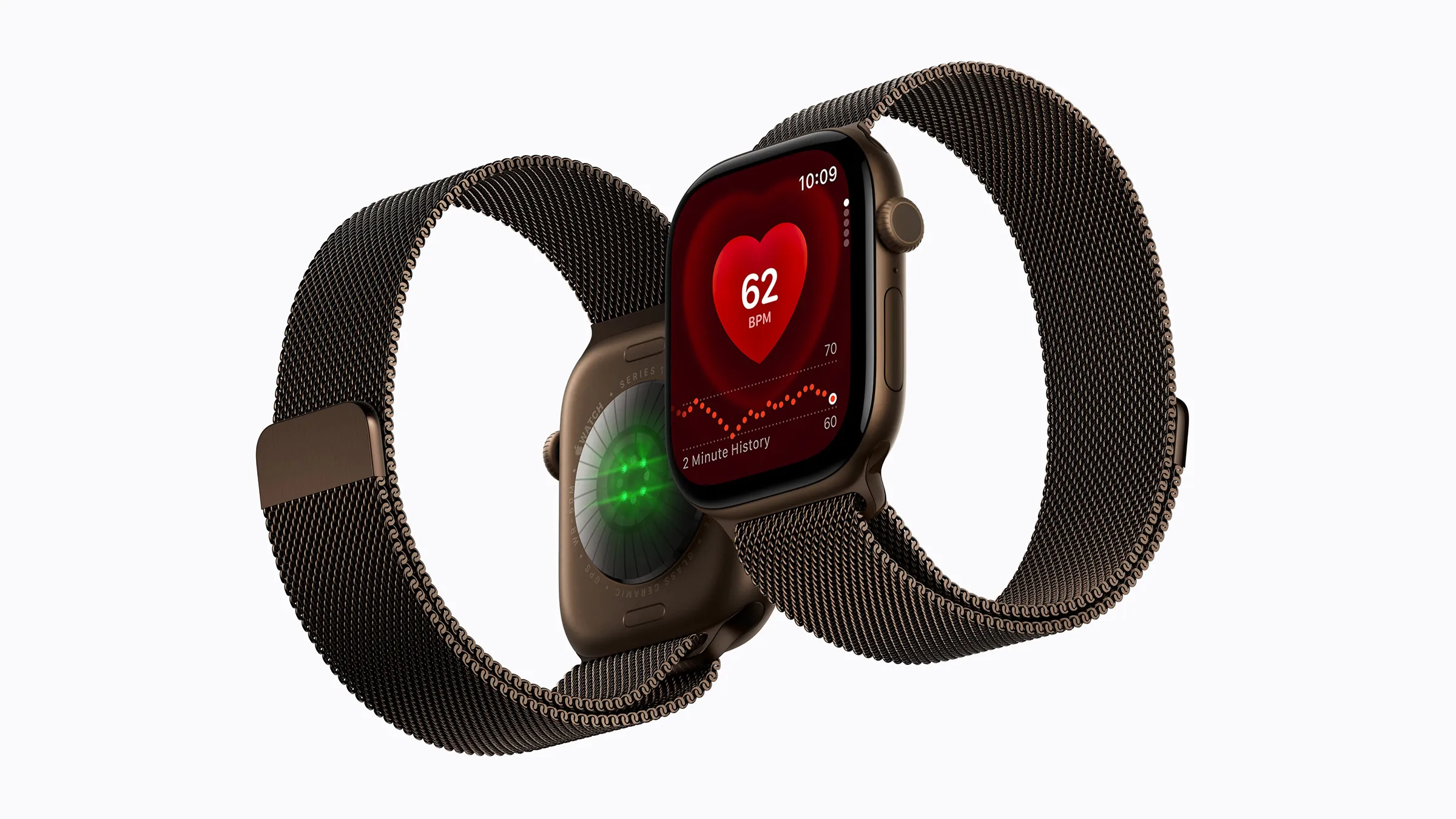
Apple Watch Series 12’s New Readiness Score – A UK Perspective
The September Apple event was dominated by the long‑awaited iPhone Duo, but for anyone who follows wearables the real headline was the Apple Watch Series 12, alongside the Ultra 4. Apple has finally added a “readiness” score – a ten‑point rating that blends recent exercise, vital signs and sleep quality to tell you whether you’re primed for a hard workout or should take it easy.
This idea is not new to the market. The Whoop Strap has been publishing a similar readiness metric for years, and the concept has been echoed by Oura, Samsung’s Galaxy Watch 7 and Google’s Pixel Watch 3. Apple’s entry feels a little late, especially as the iPhone Duo itself arrived after a lengthy development period, learning heavily from earlier foldable attempts.
From a UK fitness enthusiast’s point of view, the readiness score quickly becomes a mixed blessing. As a new parent, I found myself silencing the morning and evening alerts on my Garmin Venu X1 because they often conflicted with the reality of caring for a newborn. The same happened with my Whoop Strap – it sometimes told me I was ready for a session when I felt exhausted, and vice‑versa. The metric can be useful, but it also adds another layer of data that may not always align with how you actually feel.
What matters more to me now are two emerging features: baseline tracking and AI‑driven coaching. Baseline tracking records core metrics such as skin temperature and respiration rate, spotting subtle shifts that could signal an oncoming illness. Apple introduced a rudimentary version of this with the Vitals app a few years ago, but the potential is far greater when paired with the new Siri AI.
The refreshed Siri now lets you discuss workout ideas, receive personalised suggestions and even adapt plans on the fly – a functionality I appreciated during my time with the Fitbit Air and Google Health Coach. For parents juggling erratic schedules, a virtual personal trainer that can re‑prioritise goals in real time is far more valuable than a static readiness number.
Despite my scepticism about the readiness score, the Apple Watch Series 12 is a compelling piece of hardware. The ceramic case option feels premium, and the overall design is polished. However, I anticipate switching the readiness feature off from day one and relying on the more nuanced baseline data and Siri‑guided coaching.
In summary, Apple has finally caught up with the Whoop Strap on the readiness front, but the timing feels off‑centre given the device’s broader ecosystem. UK users who value detailed health insights may still find the Series 12 worth the upgrade, provided they treat the readiness score as an optional metric rather than a mandatory guide.