China’s New Surveillance State: Nowhere to Hide for Foreigners
China’s Expanding Surveillance Network: A Threat to Global Privacy
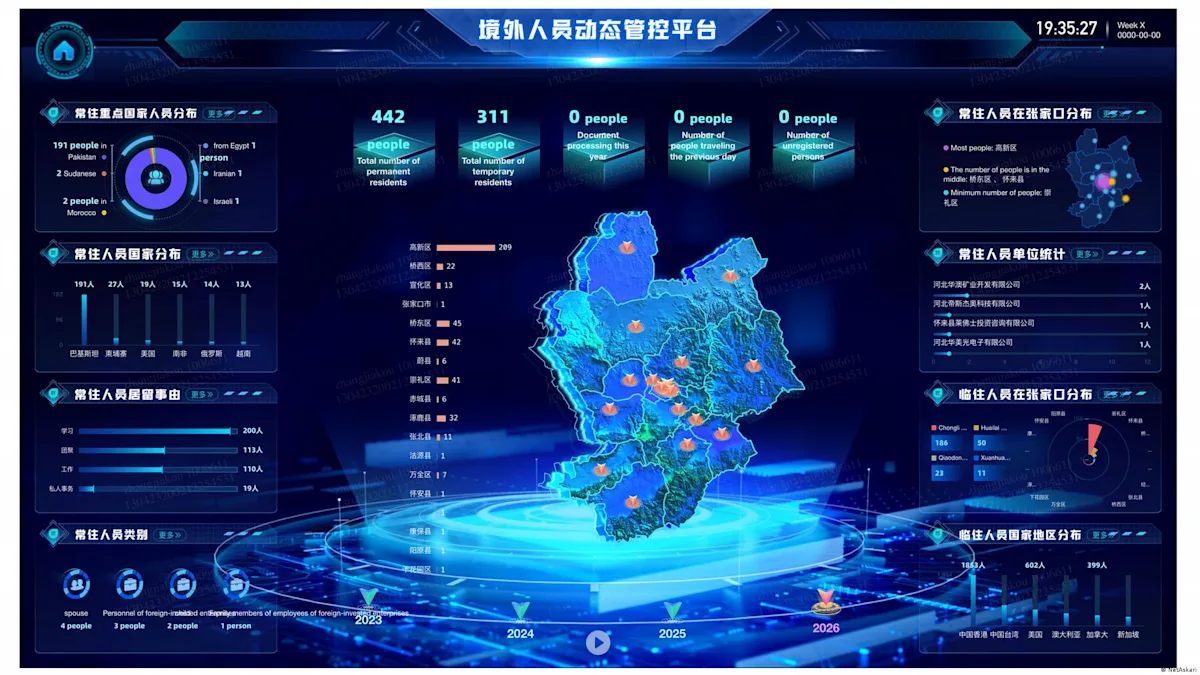
China’s latest surveillance technology has left foreigners with nowhere to hide, as the country’s authorities continue to expand their monitoring capabilities. The new system, which includes advanced facial recognition software, has raised concerns about privacy and human rights. With its ability to track individuals in real-time, the technology has significant implications for foreigners living and working in China. The Chinese government’s behaviour in this regard has been heavily criticised by human rights organisations.
The surveillance network, which is part of China’s broader effort to create a digital dictatorship, has been designed to analyse and track the behaviour of individuals. The system uses a combination of cameras, sensors, and artificial intelligence to monitor and control the population. The technology has been rolled out in major cities across China, including Beijing and Shanghai, and is expected to be expanded to other areas in the coming years. This has led to a significant increase in the number of foreigners being monitored and tracked.
Foreigners living in China are being advised to be aware of their surroundings and to take precautions to protect their privacy. This includes being mindful of their online activity, avoiding sensitive topics in public, and being cautious when using public Wi-Fi networks. The use of virtual private networks (VPNs) has also been recommended, as a way to encrypt internet traffic and prevent monitoring. However, the Chinese government has been cracking down on the use of VPNs, making it difficult for foreigners to access restricted websites and communicate with the outside world.
The implications of China’s surveillance state are far-reaching, with significant consequences for global privacy and human rights. The technology has the potential to be used by other countries, and has already been exported to several nations, including those with questionable human rights records. This has raised concerns about the potential for the technology to be used to suppress dissent and monitor minority groups. As a result, there is a growing need for international cooperation to regulate the use of surveillance technology and protect individual rights.
The Chinese government’s use of surveillance technology has also been linked to its efforts to control the population and suppress dissent. The technology has been used to monitor and track minority groups, including the Uighur Muslims in Xinjiang province. This has led to widespread human rights abuses, including arbitrary detention and forced labour. The international community has been criticised for its response to the situation, with many countries failing to take adequate action to condemn the Chinese government’s behaviour.
Despite the concerns surrounding China’s surveillance state, the technology has also been praised for its potential to improve public safety and reduce crime. The use of facial recognition software has been shown to be effective in identifying and apprehending criminals, and has the potential to be used in a variety of other applications, including border control and law enforcement. However, the benefits of the technology must be weighed against the potential risks to individual privacy and human rights.
The future of China’s surveillance state is uncertain, with many questions remaining about the impact of the technology on individual rights and global privacy. As the technology continues to evolve and expand, it is likely that we will see significant changes in the way that governments and corporations approach surveillance and monitoring. The use of artificial intelligence and machine learning algorithms is expected to play a major role in the development of the technology, and has the potential to significantly improve its accuracy and effectiveness.
In conclusion, China’s new surveillance technology has significant implications for foreigners living and working in the country. The technology has the potential to be used to monitor and track individuals in real-time, and has raised concerns about privacy and human rights. As the technology continues to evolve and expand, it is likely that we will see significant changes in the way that governments and corporations approach surveillance and monitoring. It is essential that we continue to monitor the situation and take steps to protect individual rights and global privacy.